Ronald Bachmann, Coordinator, RWI – Leibniz Institute for Economic Research
Vassil Kirov, Local Organiser, the Institute of Philosophy and Sociology at Bulgarian Academy of Sciences
Christina Gathmann, Luxembourg Institute of Socio-Economic Research
Piotr Lewandowski, IBS – Institute for Structural Research
Joost van Genabeek, TNO – Netherlands Organisation for Applied Scientific Research
Francesco Vona, Fondazione Eni Enrico Mattei
Ulrich Zierahn-Weilage, Utrecht University
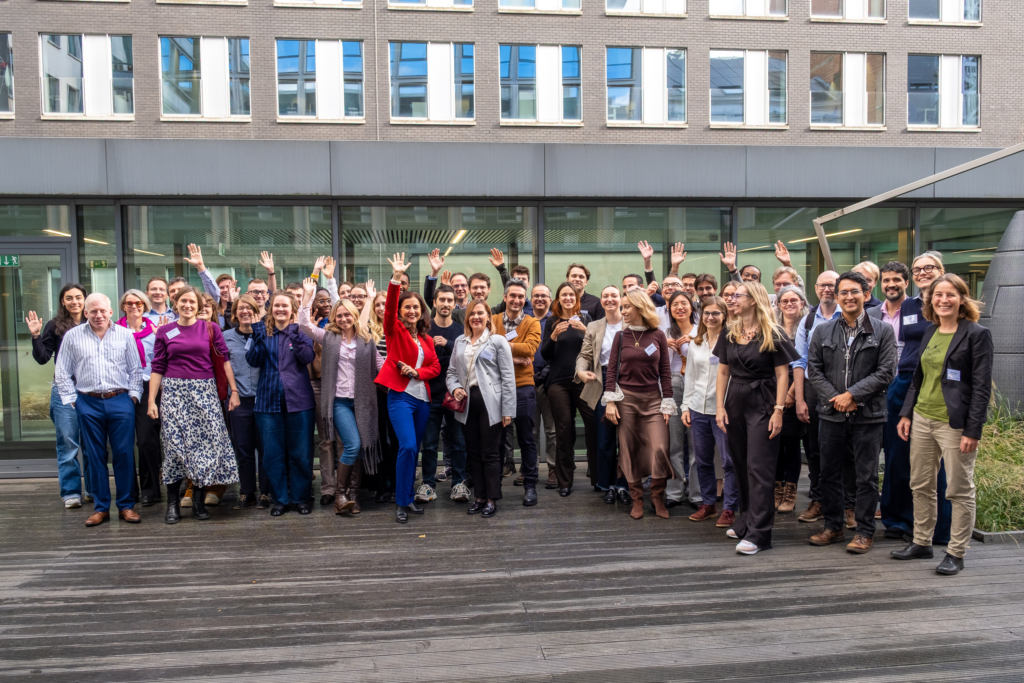
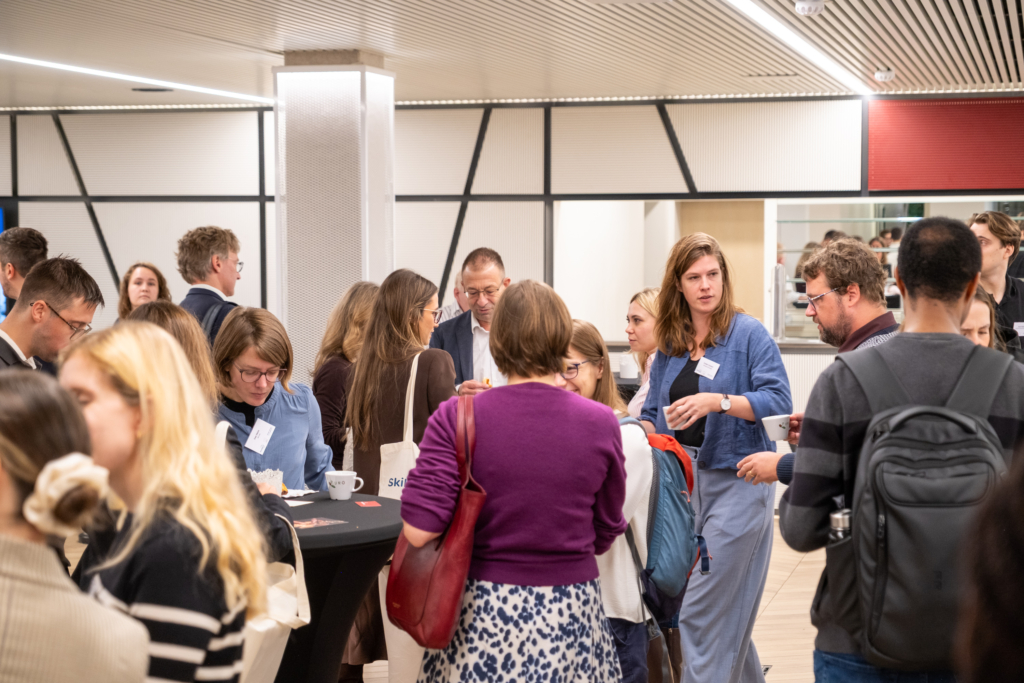
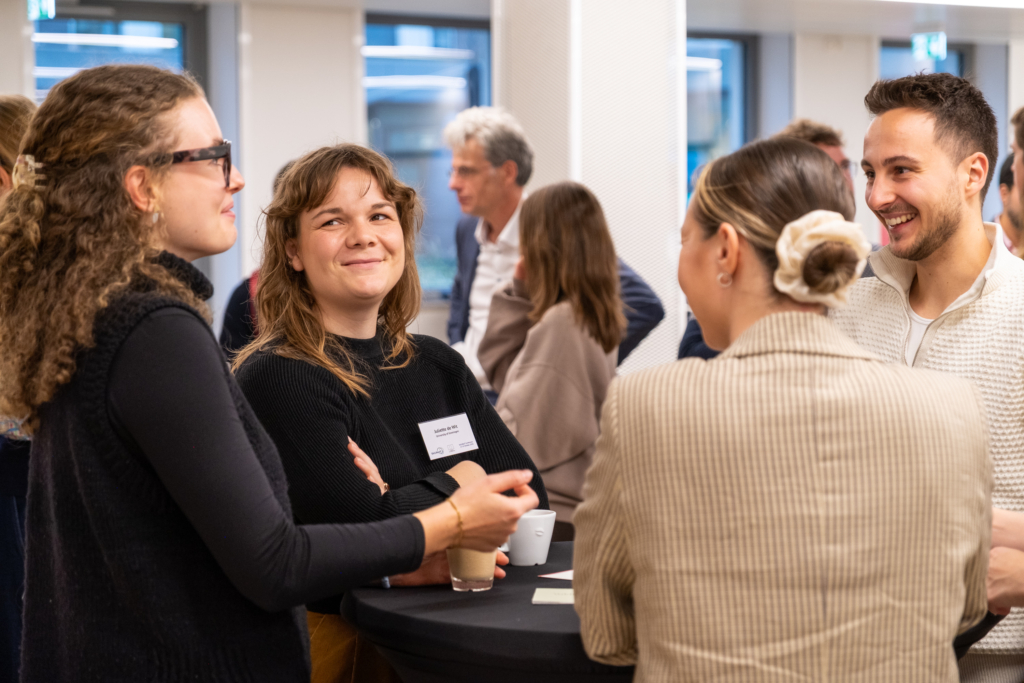
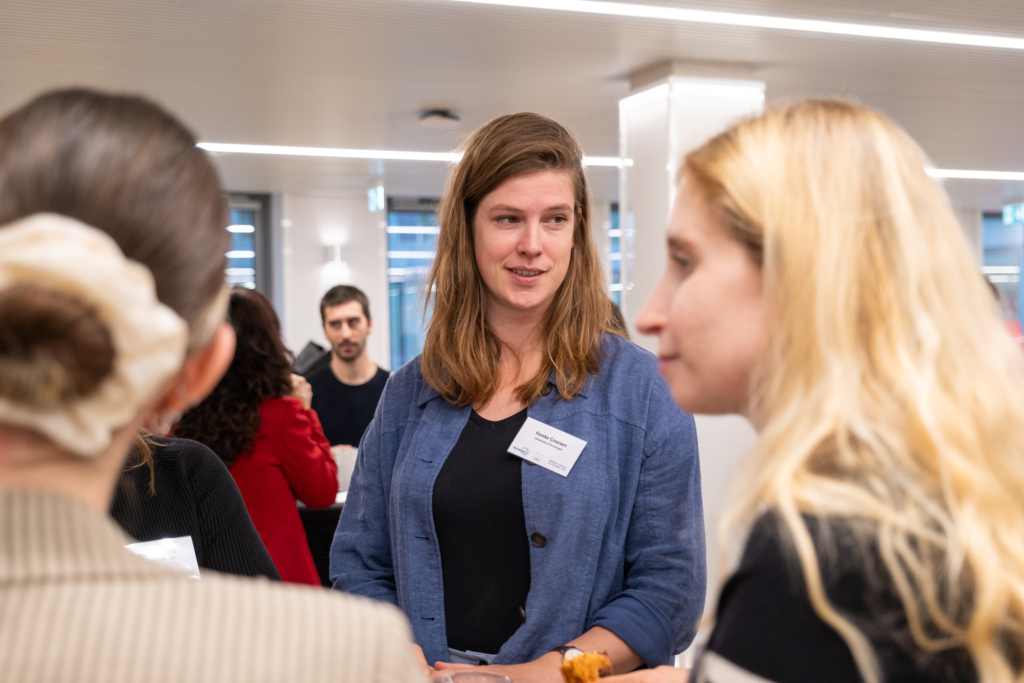
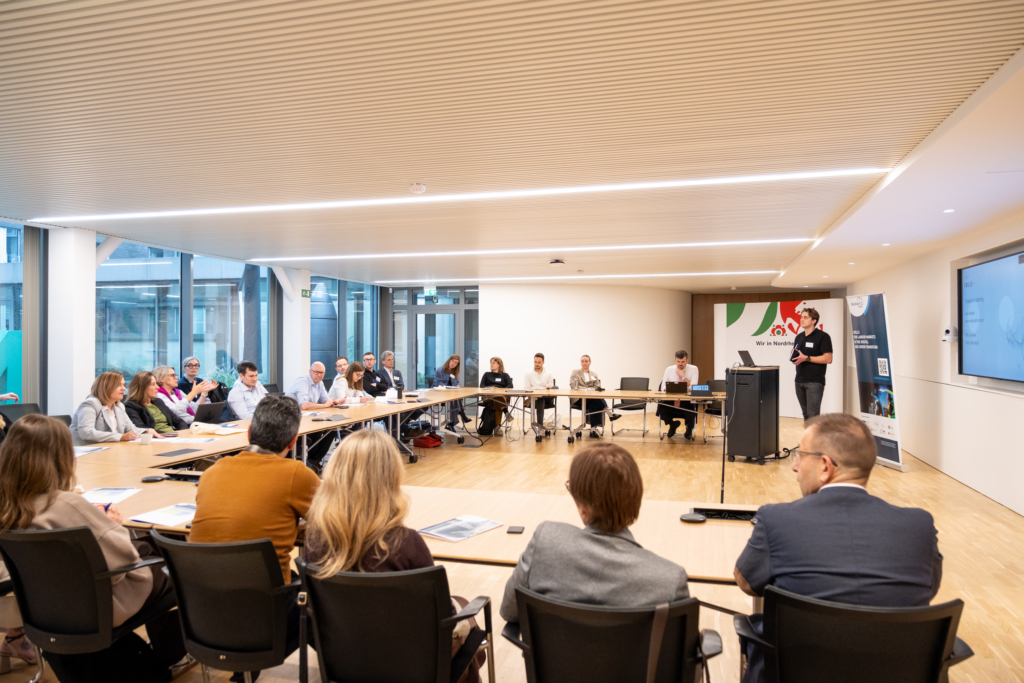
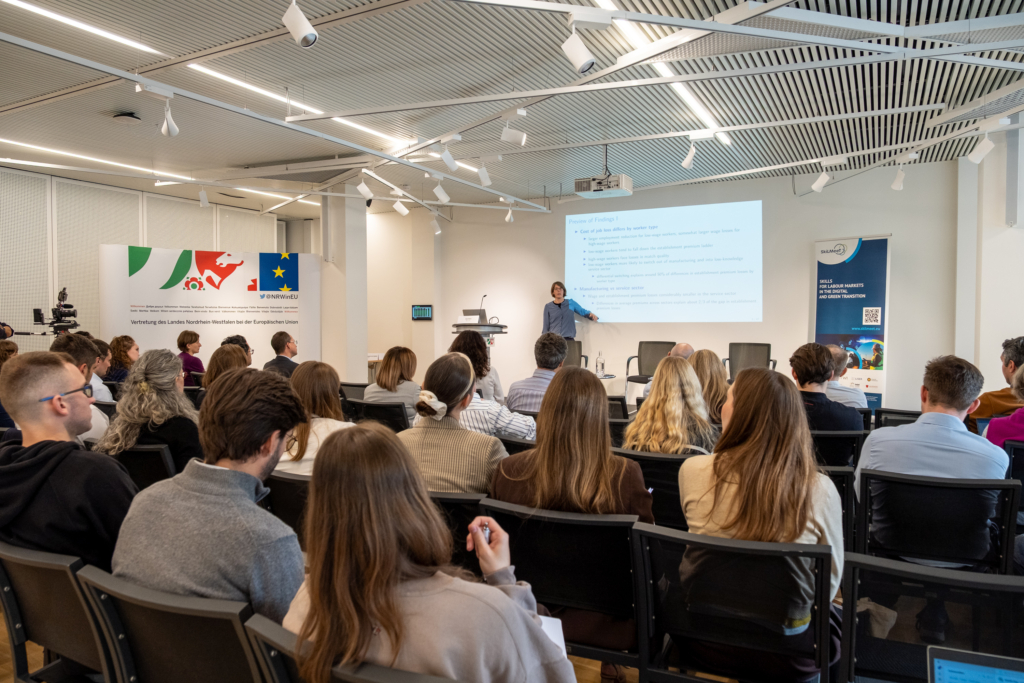
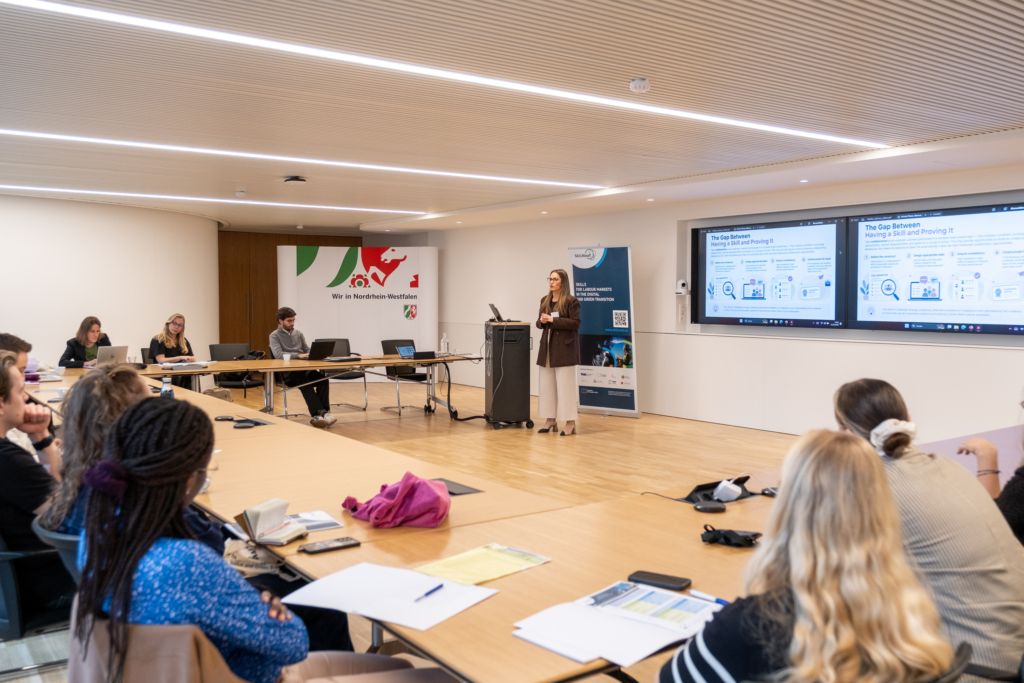
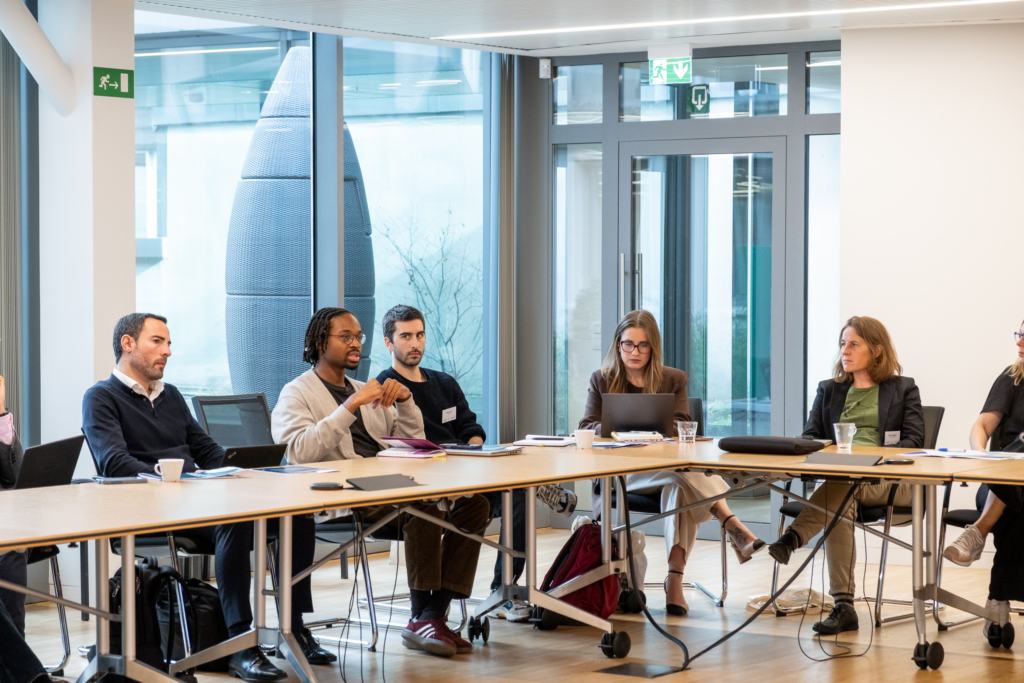
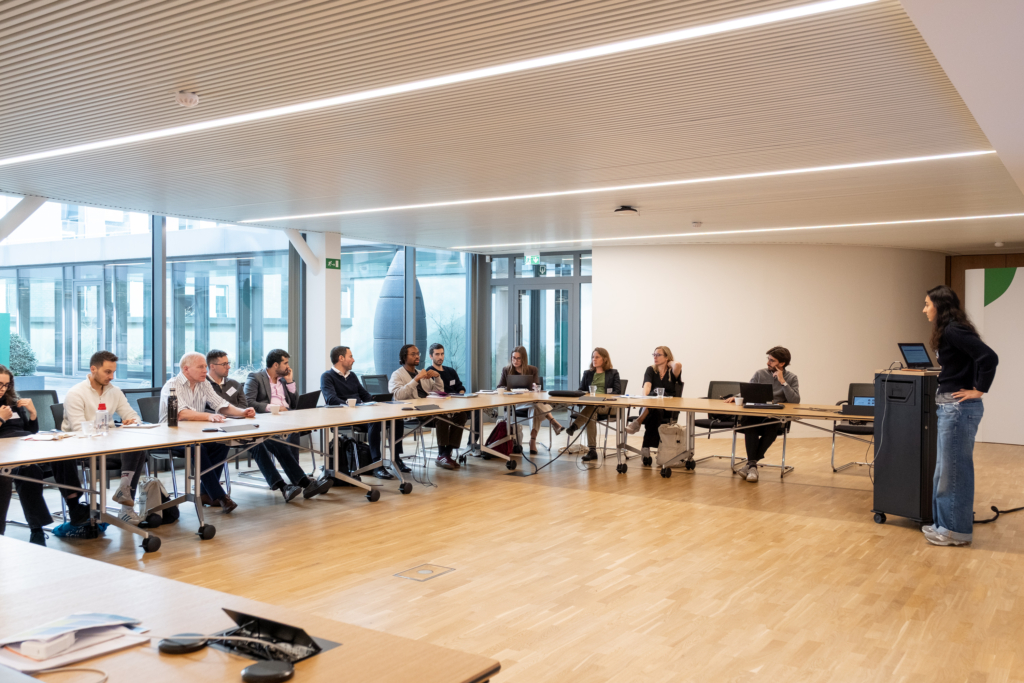
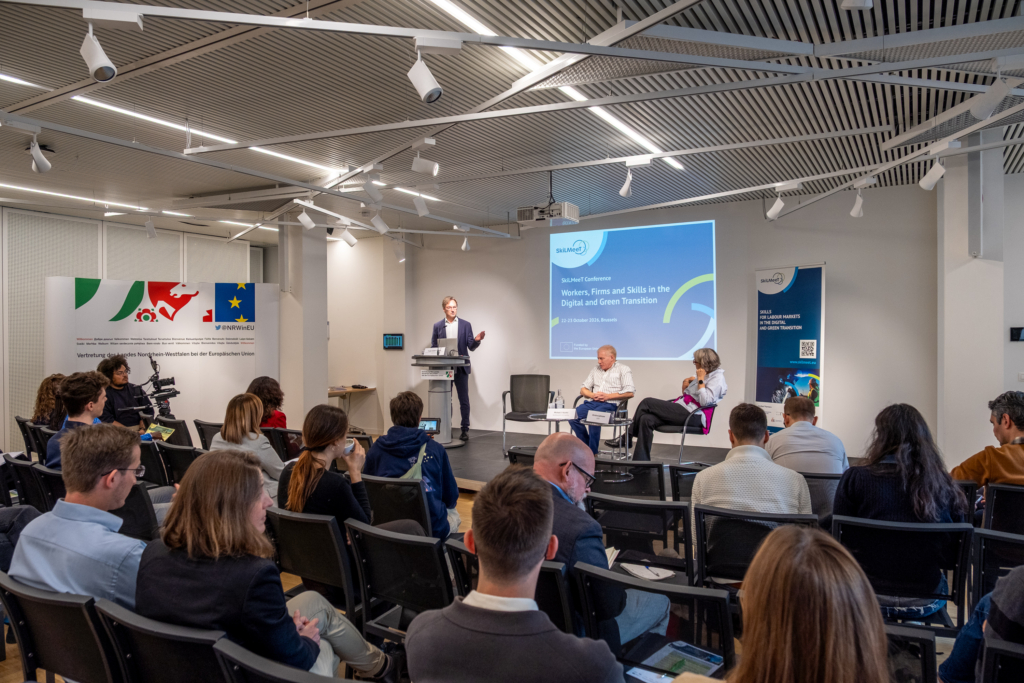
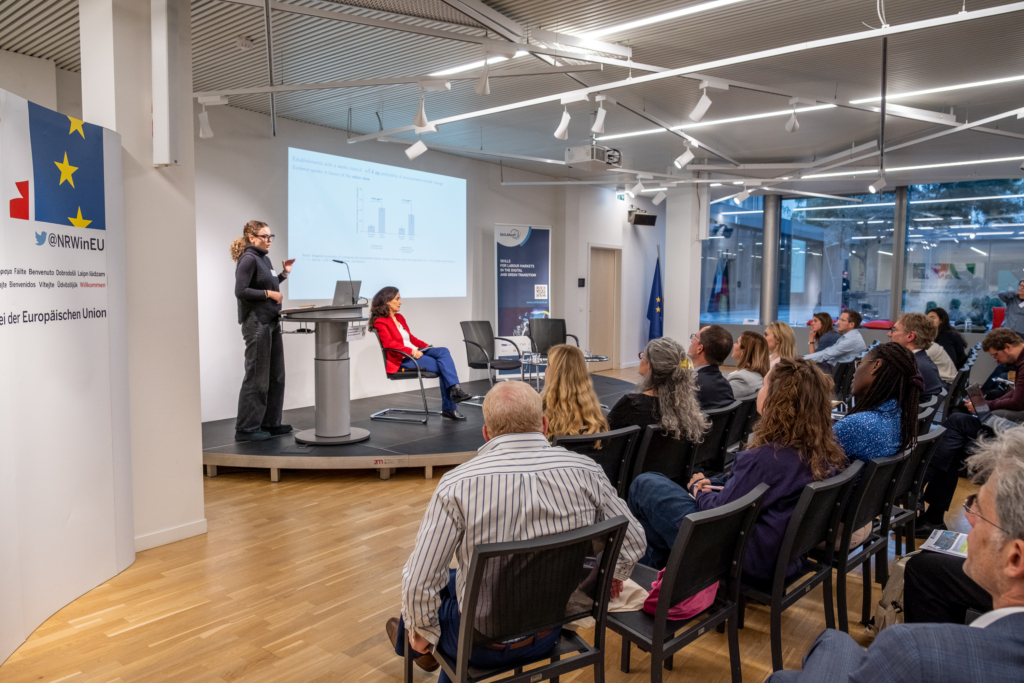
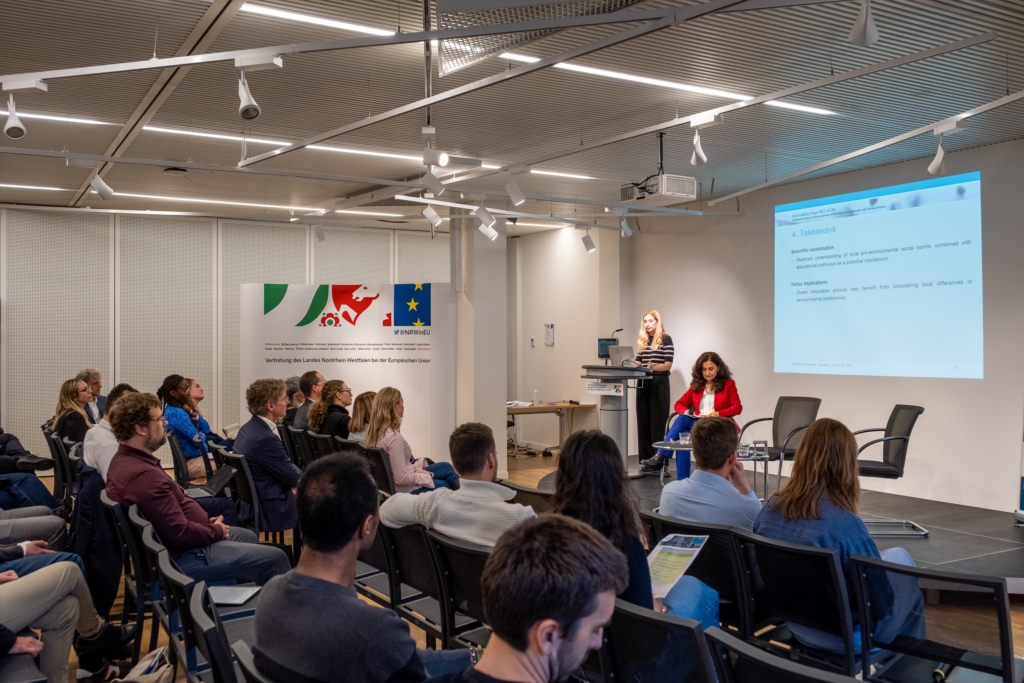
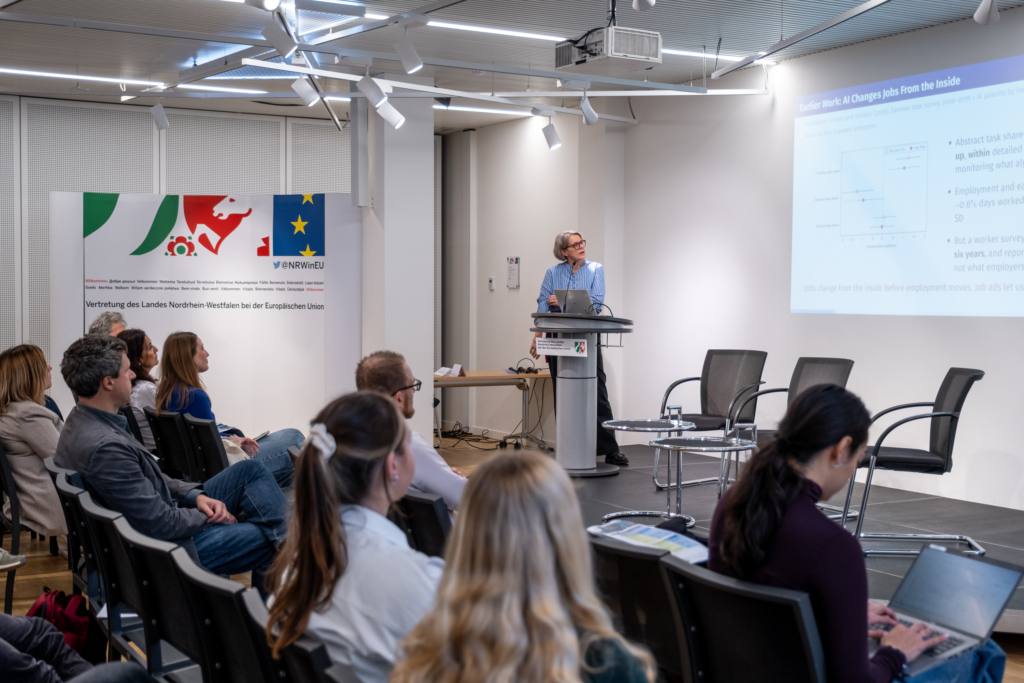
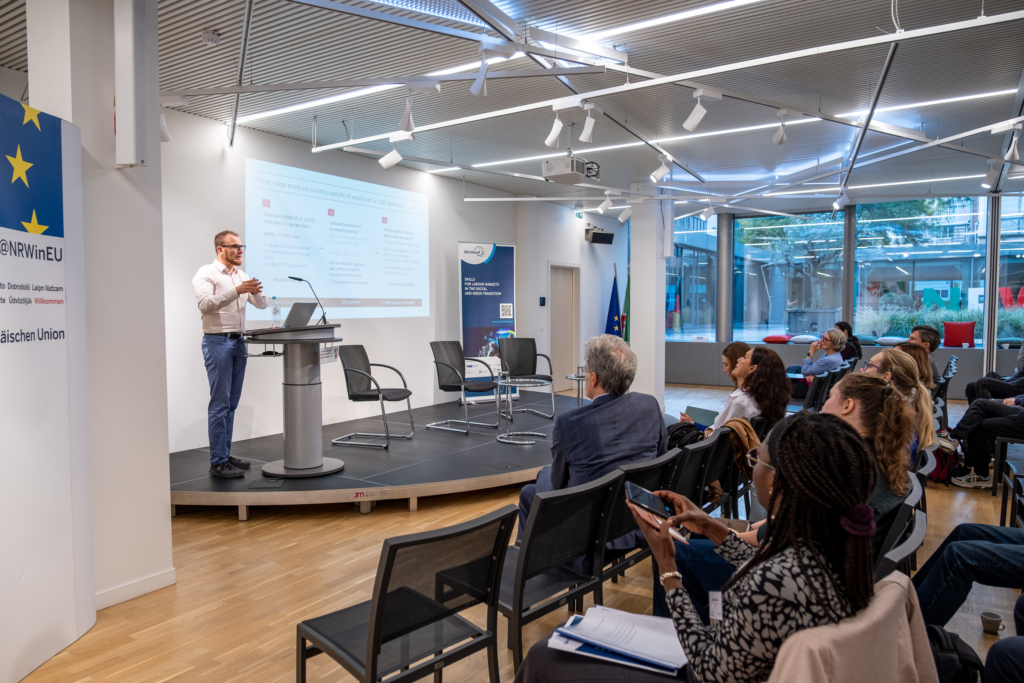
The SkiLMeeT Final Conference brought together 60 researchers and policymakers in Brussels on 22–23 October 2026 to examine how the digital and green transitions are reshaping labour markets, changing skill needs and creating challenges for workers and firms. Held at the Representation of the State of North Rhine-Westphalia to the European Union, the event combined four keynotes, policy debate and 33 research presentations: 24 papers across eight thematic sessions and nine flash talks. The sessions covered the green transition, education and training, technology adoption, skill gaps, artificial intelligence, occupational studies, local labour markets and methods for analysing changes in work and skills. Ronald Bachmann (RWI) and Suhendan Adiguzel van Zoelen (TNO) welcomed participants to the conference.
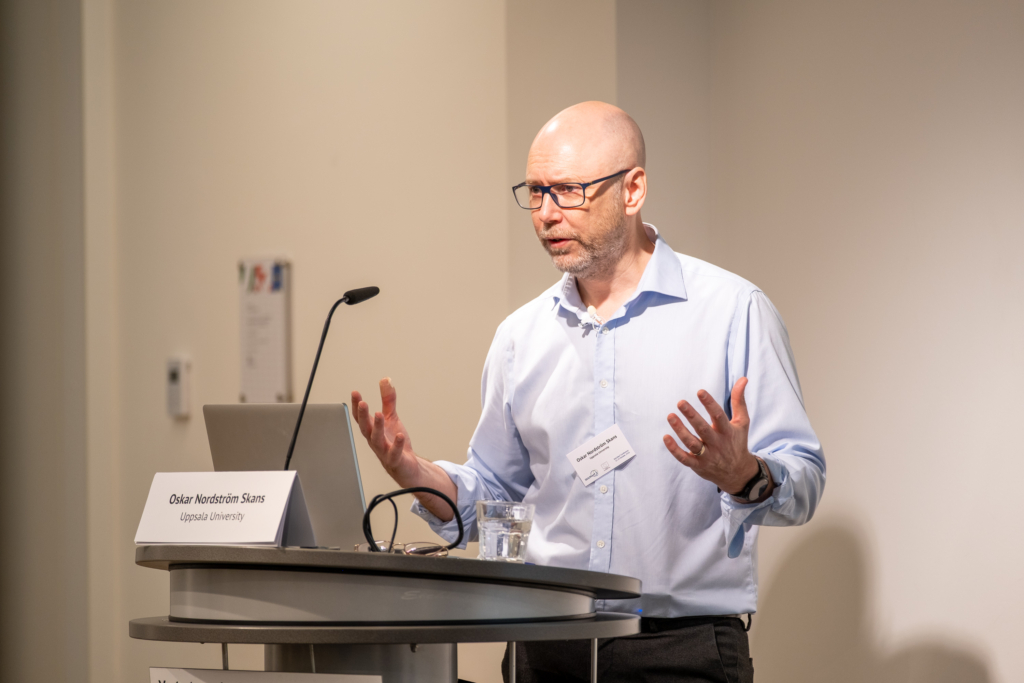
Oskar Nordström Skans (Uppsala University) delivered the keynote “Worker Resilience, AI and Structural Change”, examining how workers cope with job loss and how AI may reshape labour markets. Using Swedish data on roughly 180,000 workers affected by plant closures, he showed that some workers experience much greater earnings losses than others, depending on their characteristics and local employment opportunities. Workers in stronger labour markets generally suffered smaller losses. Turning to AI, he presented early evidence that employment and earnings are growing faster in more AI-exposed parts of Sweden’s economy, while recent graduates in AI-exposed fields face declining earnings and fewer job opportunities. He stressed that the risks of technological change depend on how quickly and widely jobs are affected, and that it remains uncertain whether AI is responsible for the difficulties facing recent graduates.
Luis Fernández Intriago (Environmental Defense Fund) opened the session with “Carbon Taxation, Green Jobs, and Sectoral Human Capital,” presenting preliminary findings from a model examining how carbon pricing affects employment and the economic costs of reducing emissions. The results suggest that a carbon tax of $51 per tonne of CO₂ would reduce employment in energy-intensive sectors by around 1.2% and increase unemployment by just 0.05 percentage points, with half the employment adjustment occurring within a year. Labour-market frictions increase the costs of reducing emissions mainly through their interaction with taxation. Using carbon tax revenues to reduce wage taxes rather than providing lump-sum rebates could lower these costs by 8–21%, while gradually phasing in the tax would have relatively little effect.
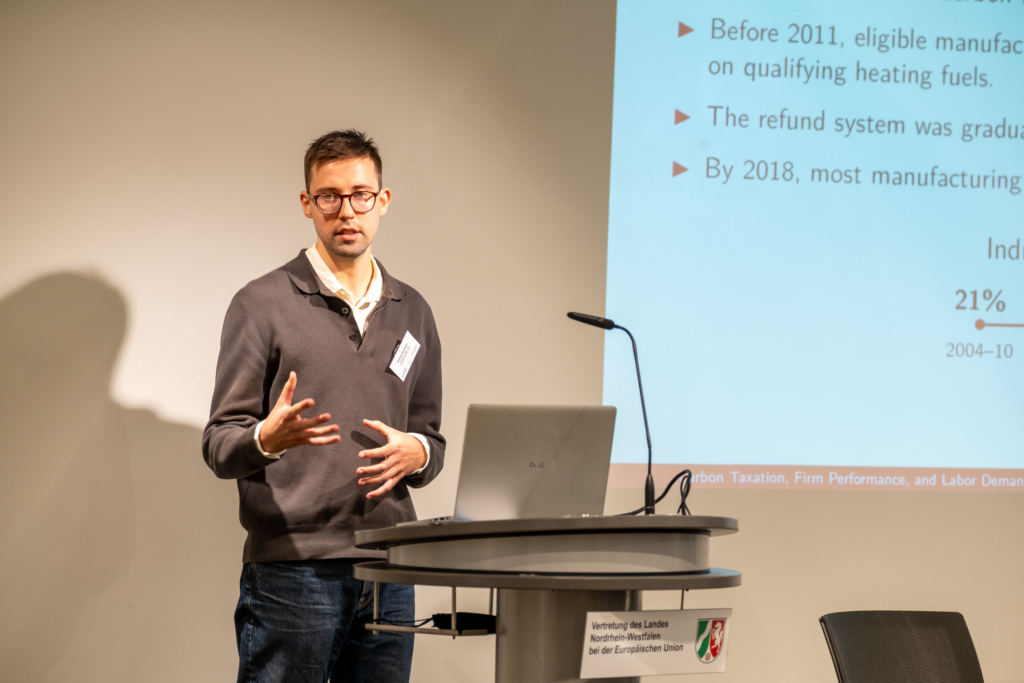
Jimmy Karlsson (IFN) examined the effects of higher carbon taxes on Swedish manufacturing firms in “Carbon Taxation, Firm Performance, and Labor Demand”. Using firm and worker data, he found that a reform increasing effective carbon taxes for some firms substantially reduced emissions through a shift towards biofuels and district heating. It also reduced revenue and employment, particularly in emission-intensive firms. Employment effects were concentrated among older workers without a high school degree, although older highly educated workers were also negatively affected in the most exposed firms. The evidence suggests that firms adjusted primarily through reduced hiring rather than increased separations.
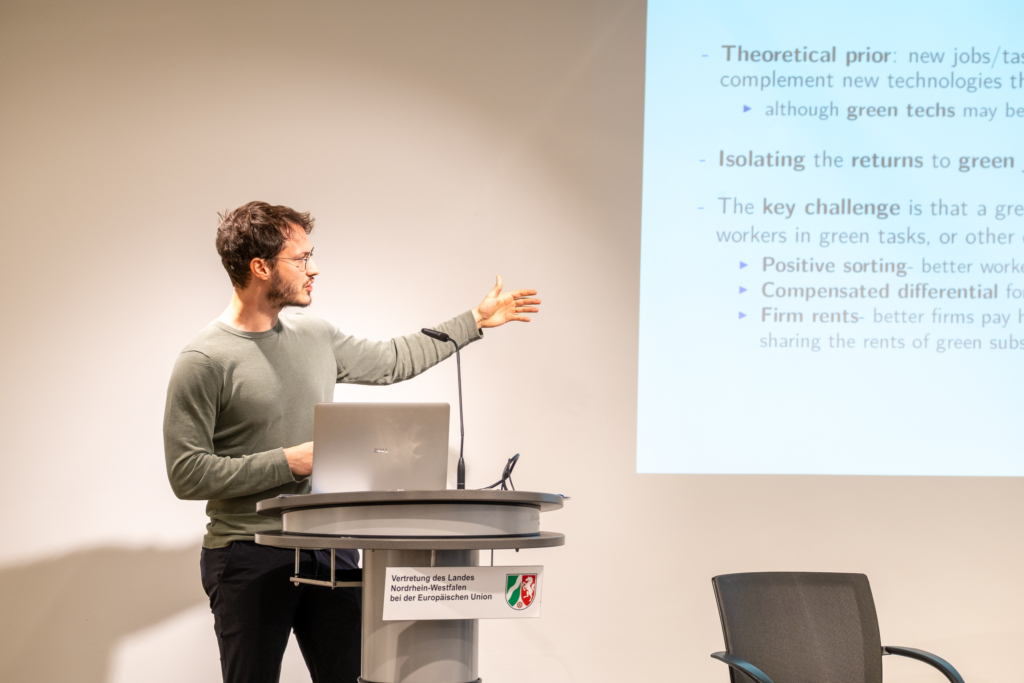
Drawing on European online job vacancies, Federico Frattini (FEEM) explored the wage incentives to acquire green skills in “Returns to Green Tasks in Europe: Evidence from Online Job Vacancies”, co-authored with Leanne Cass, Aurélien Saussay, Misato Sato and Francesco Vona. The authors found that roles requiring green skills offer higher wages than comparable jobs within the same occupation. Much of this premium reflects differences in firms’ pay levels and the broader range of non-green skills these roles require, leaving a modest premium associated with green tasks themselves. The authors argue that these wage incentives may be insufficient to drive the skill development needed for the green transition, strengthening the case for active training and reskilling policies.
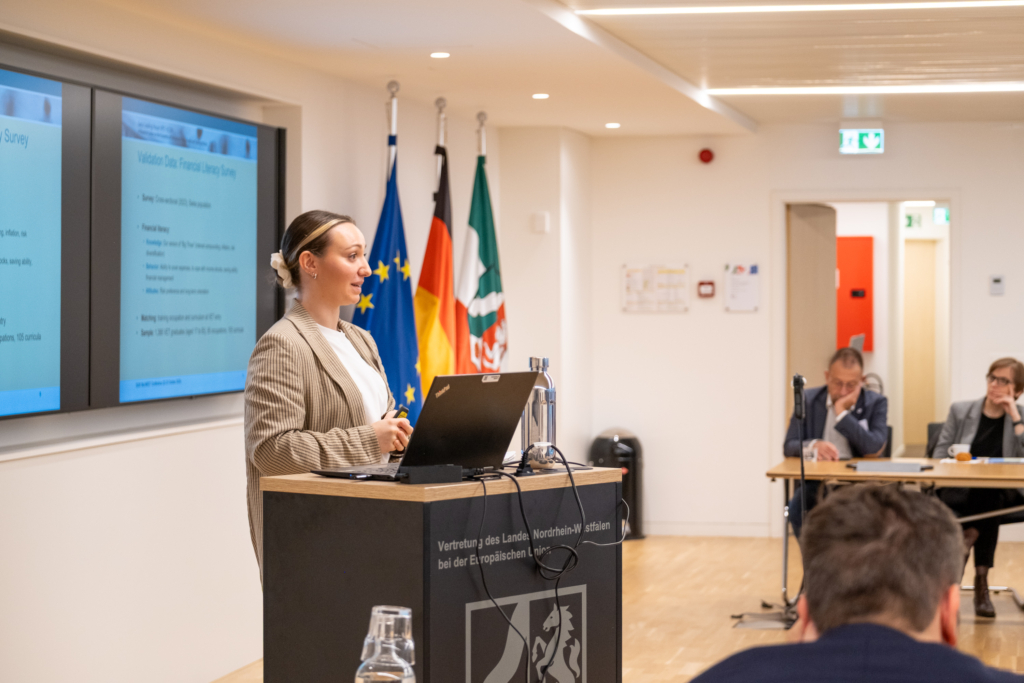
The session opened with Laura Brunner (University of Zurich) presenting “Financial Skills Embedded in Vocational Training: A Text-As-Data Analysis”, co-authored with Maddalena Davoli, Michael E. Rose and Uschi Backes-Gellner. Analysing the learning goals in more than 400 Swiss vocational training curricula, the authors documented large differences in financial content across training occupations and compared 14 text-based measures of this content against the financial literacy of nearly 1,400 vocational graduates. Graduates of occupations with more financial content showed higher financial literacy, highlighting vocational training as a setting for developing financial skills. A simple word-frequency measure predicted financial literacy at least as well as more sophisticated language-model approaches, although the differences between methods were not statistically significant.
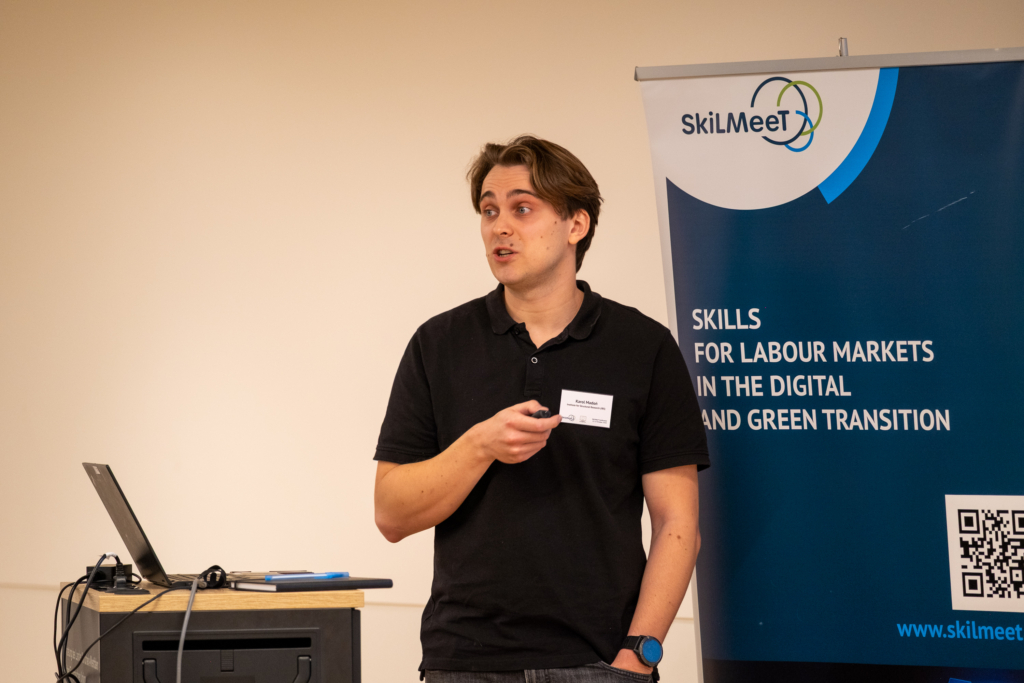
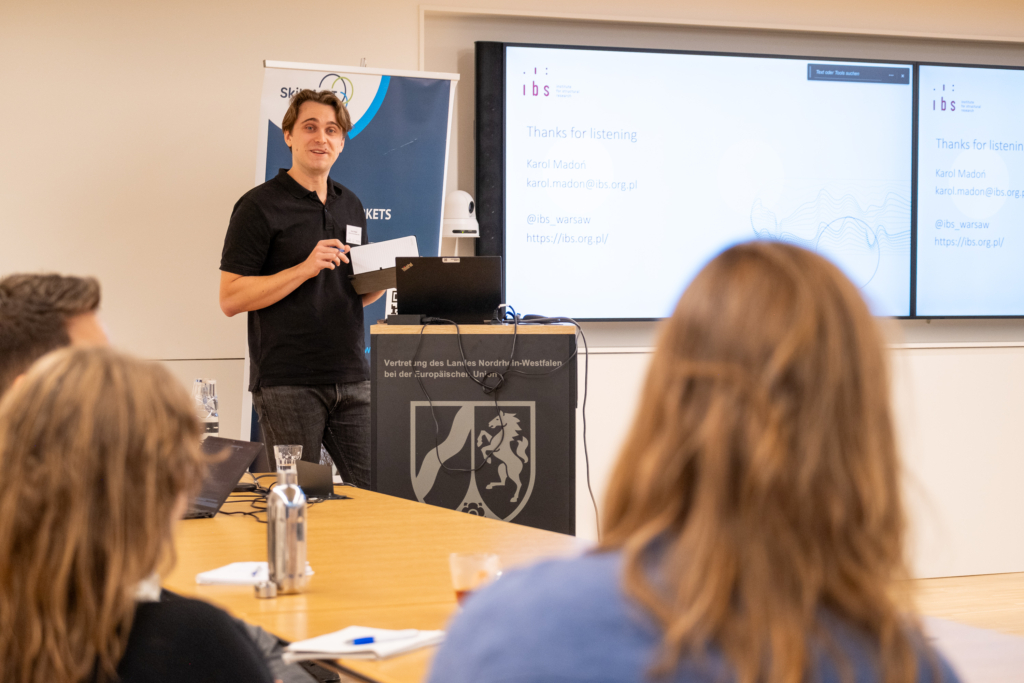
In “Automation and Educational Choice: Evidence from Norway”, Karol Madoń (IBS) and co-authors Piotr Lewandowski and Vegard Skirbekk examined how young people respond to automation. Using Norwegian register data for 2006–2018, they showed that students in regions more exposed to industrial robots were less likely to enter vocational education, particularly industry-related tracks, and those who did were more likely to switch to academic tracks. The response was strongest among boys, especially in the most automatable tracks, while among girls it was amplified for daughters of mothers who had worked in robot-exposed sectors. The findings suggest that automation reshapes the future workforce not only by changing labour demand but also by influencing young people’s educational choices.
Germany’s introduction of a statutory minimum wage in 2015 provided the setting for Franziska Riepl’s (IAB) study, “The Impact of Minimum Wages on On-the-Job Training in Germany”. She compared firms across regions according to the share of workers who, before the reform, earned below the new minimum wage. In regions with a higher share of these low-paid workers, firms increased both their likelihood of offering training and the proportion of employees receiving it. The additional training mainly involved internal courses during working hours, particularly benefited medium-skilled workers and was observed across sectors and firm sizes. The increase was driven by firms not directly affected by the minimum wage, while firms with many low-paid workers saw weaker or even negative effects, suggesting that although the minimum wage did not reduce training overall, some firms may lose out.
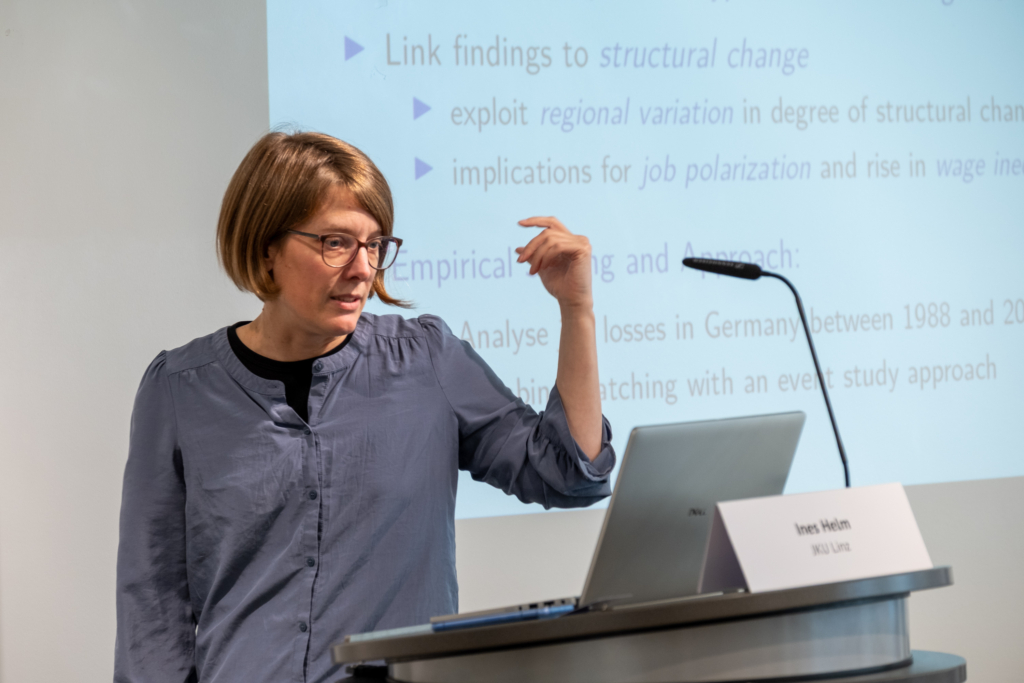
In her keynote, “Displacement Effects in Manufacturing and Structural Change”, Ines Helm (JKU Linz) examined the growing costs of manufacturing job losses for low-wage workers. Drawing on German data covering job losses between 1988 and 2007, she showed that these workers faced worsening re-employment prospects and increasing wage losses, often moving into lower-paying service jobs. The loss of the pay advantages offered by manufacturing employers was a major factor, linking structural change to rising wage inequality and job polarisation. She stressed that retraining alone is insufficient, highlighting stronger worker representation and productivity growth in lower-paying services as possible ways to improve pay.
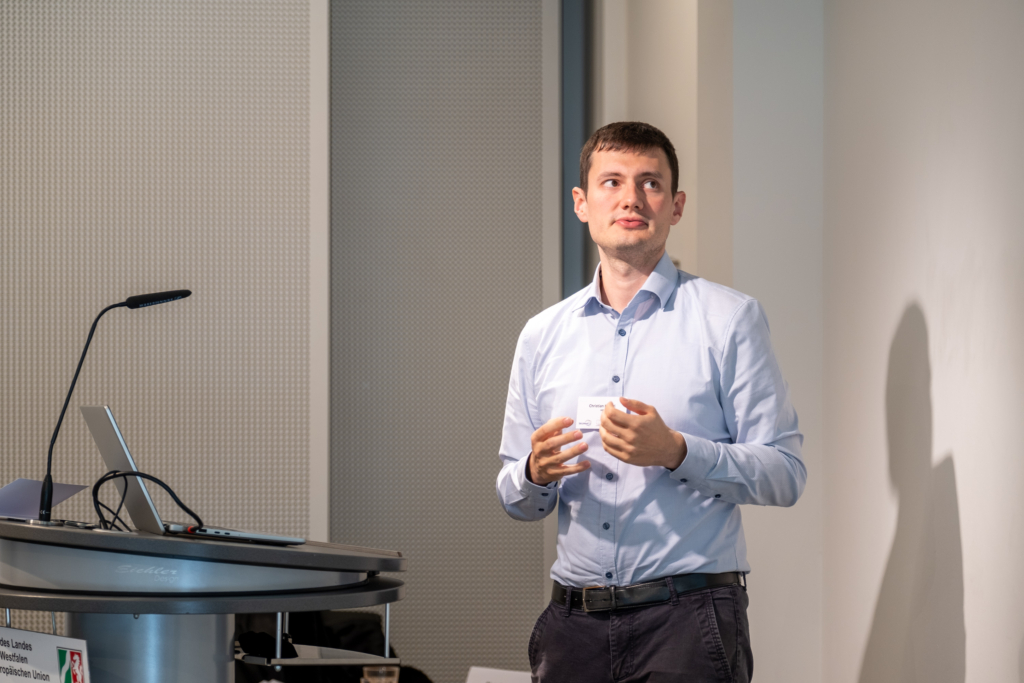
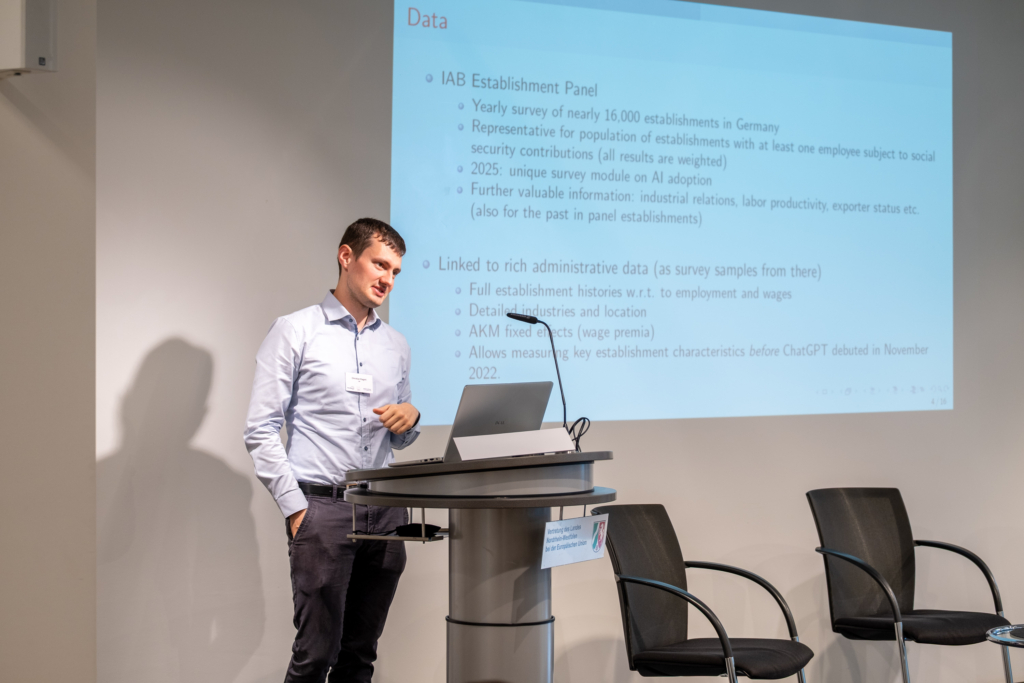
By 2025, 24% of German establishments had adopted generative AI, compared with 6% using non-generative AI. Christian Kagerl (IAB) reported these findings in “The Adoption of Generative Artificial Intelligence by Establishments”, co-authored with Martin Friedrich. Using a representative survey linked to administrative records, the authors found that adoption was more common among larger, younger and more productive establishments, as well as those employing more highly skilled workers. Establishments using generative AI more intensively were also more likely to expect their workforce to grow, suggesting that they viewed the technology as a way to improve productivity and expand their operations.
A large-scale randomised experiment in north-eastern Romania allowed Juan Espinosa Balbuena (London Business School) to assess grants supporting firms’ investment in digital technologies. His study, “The Market Effects of Digital Adoption: Evidence from a Large-Scale Randomized Field Experiment”, covered micro, small and medium-sized firms. Early results showed that firms invited to apply for funding increased their spending on digital technologies and employed more workers than the control group, with sales also rising, although this effect was less precisely estimated. Non-applicant firms located within 250 metres of grant recipients also recorded higher sales, suggesting that the benefits of digitalisation grants can extend beyond their direct recipients.
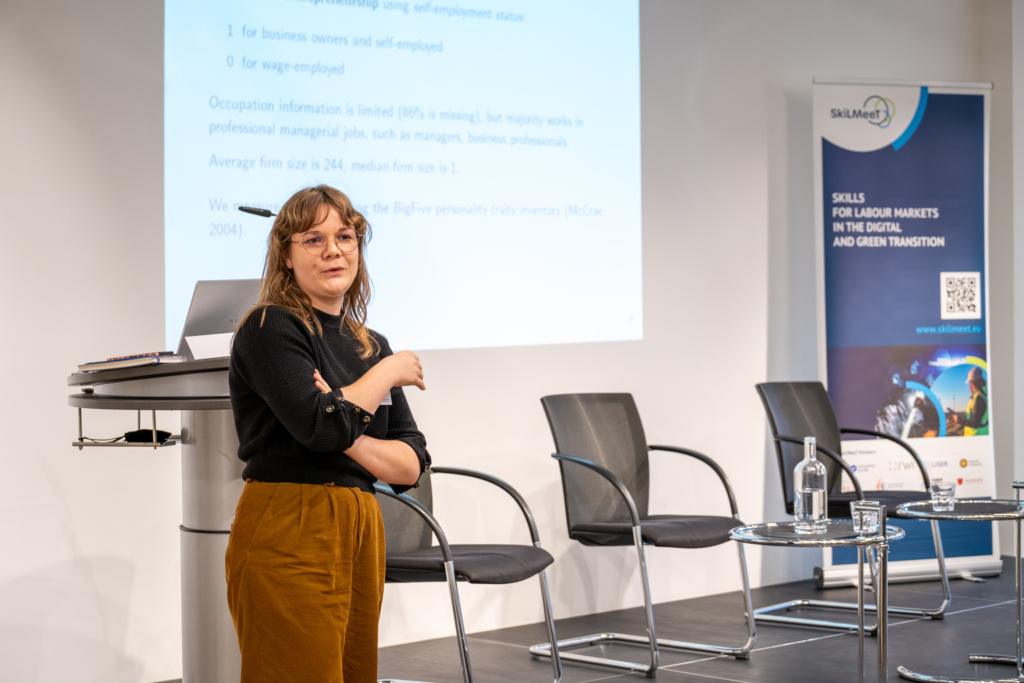
Self-employed people were more likely to use generative AI than comparable employees in the US, according to research by Juliette de Wit (University of Groningen) and Milena Nikolova. Their paper, “Entrepreneurs as Early Adopters of Generative AI”, drew on nationally representative survey data collected ten months after ChatGPT’s launch. Greater openness to experience, a personality trait reflecting curiosity and receptiveness to new ideas, partly accounted for this difference. The gap in chatbot use narrowed over time and had all but disappeared by spring 2025, consistent with the self-employed acting as early adopters.
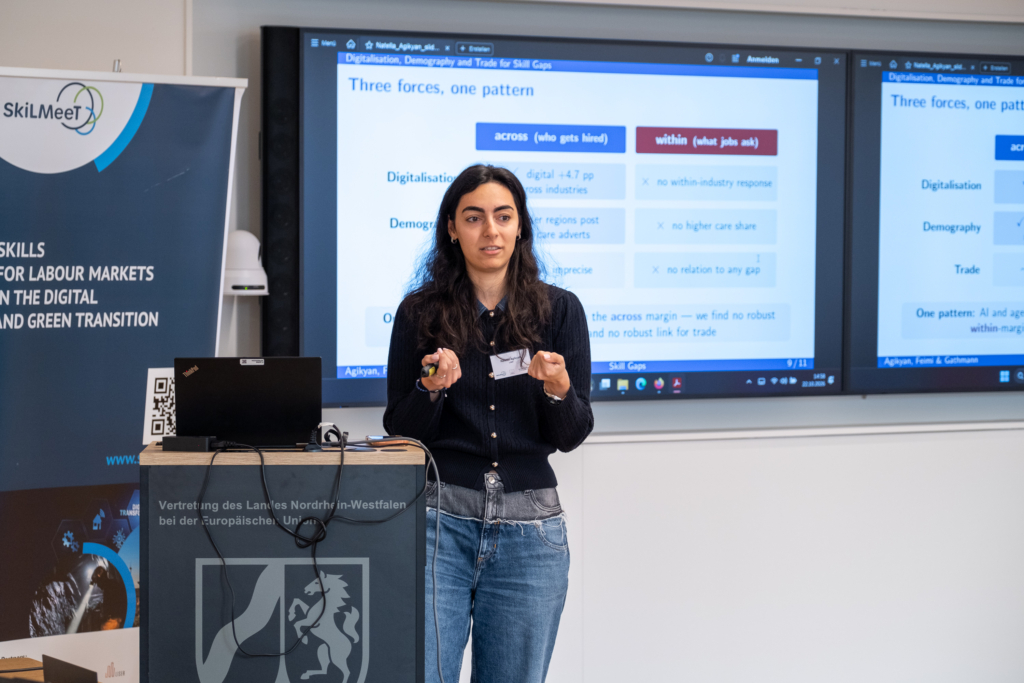
How digitalisation, population ageing and trade shape skill gaps was the focus of “The Role of Digitalisation, Demography and Trade for Skill Gaps: Case of Germany”, by Natella Agikyan (LISER), Najada Feimi and Christina Gathmann. Combining nearly 29 million German job advertisements from 2018–2022 with administrative employment data, the authors compared the skills employers advertise with the skills typically involved in each occupation. Most of the apparent gap reflected how job advertisements describe jobs rather than a genuine shortfall, and the remaining occupation-specific gaps were small and changed little over time. AI adoption and population ageing were associated mainly with shifts in hiring towards different occupations, such as AI-exposed and digitally intensive jobs, rather than with changes in the skills required within occupations, while trade showed no robust relationship.
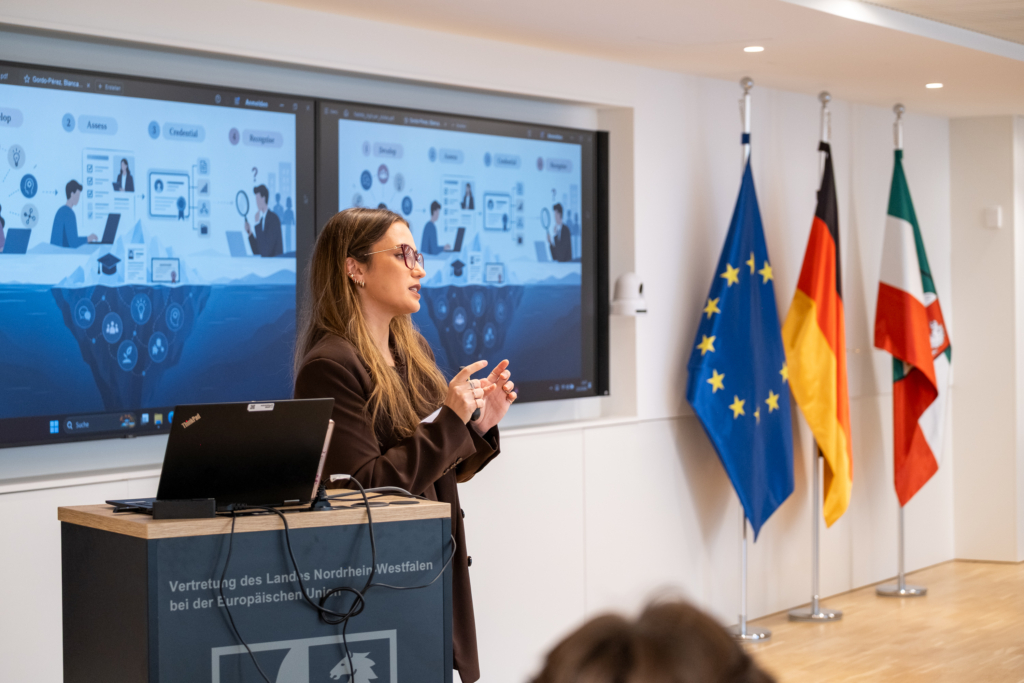
Micro-credentials can help employers recognise skills such as problem-solving, collaboration and adaptability, provided they offer credible evidence of what people can do. This was the central argument of Blanca Gordo Pérez’s “From Skill Gaps to Skill Signals: Evidence-based Micro-credentials for Transversal Skills in the Digital and Green Transition”. She stressed that credentials should go beyond recording participation in training or naming learning outcomes, and provide evidence of assessed performance, such as the task completed, the criteria used and the level achieved. Her proposed framework assesses whether skills are clearly defined, reliably assessed and supported by visible evidence, and whether credentials can be used across systems and understood by employers, and will be tested through employer interviews and a vignette study.
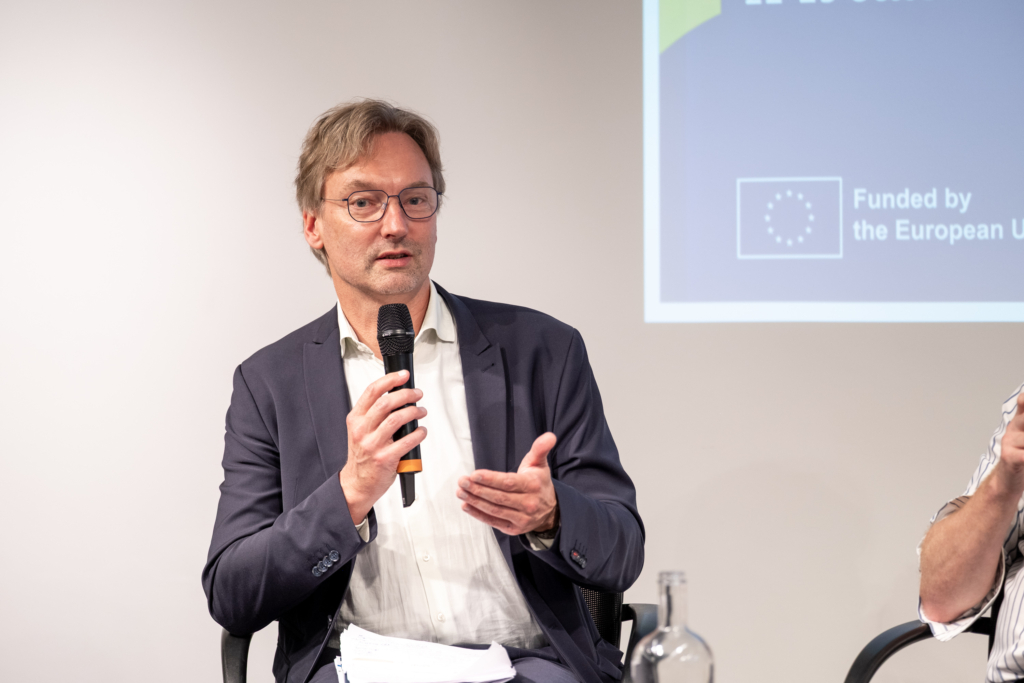
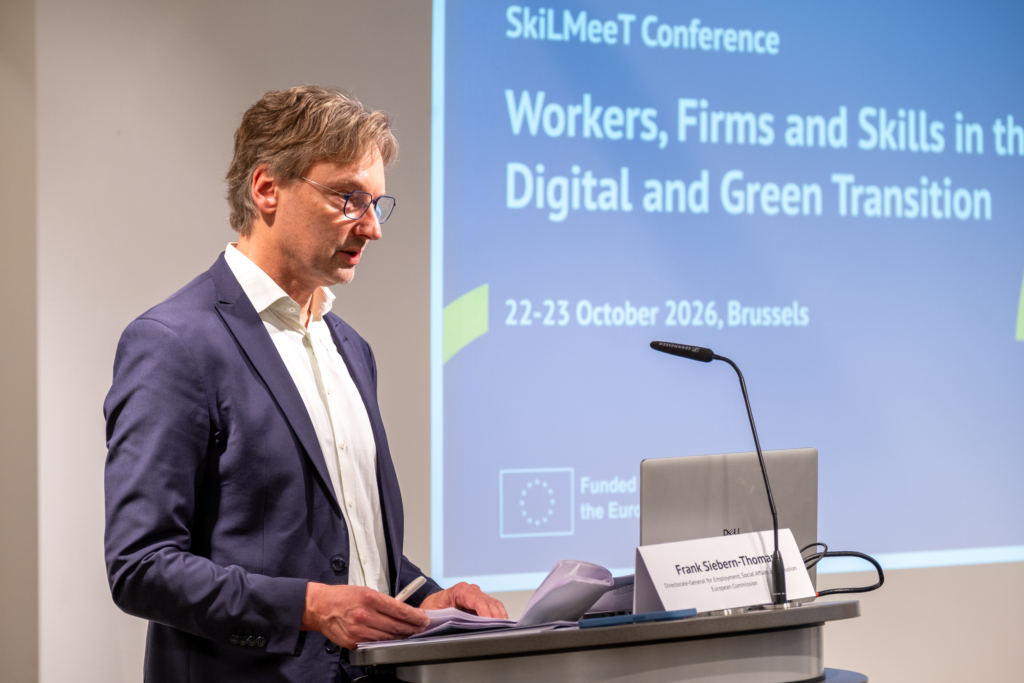
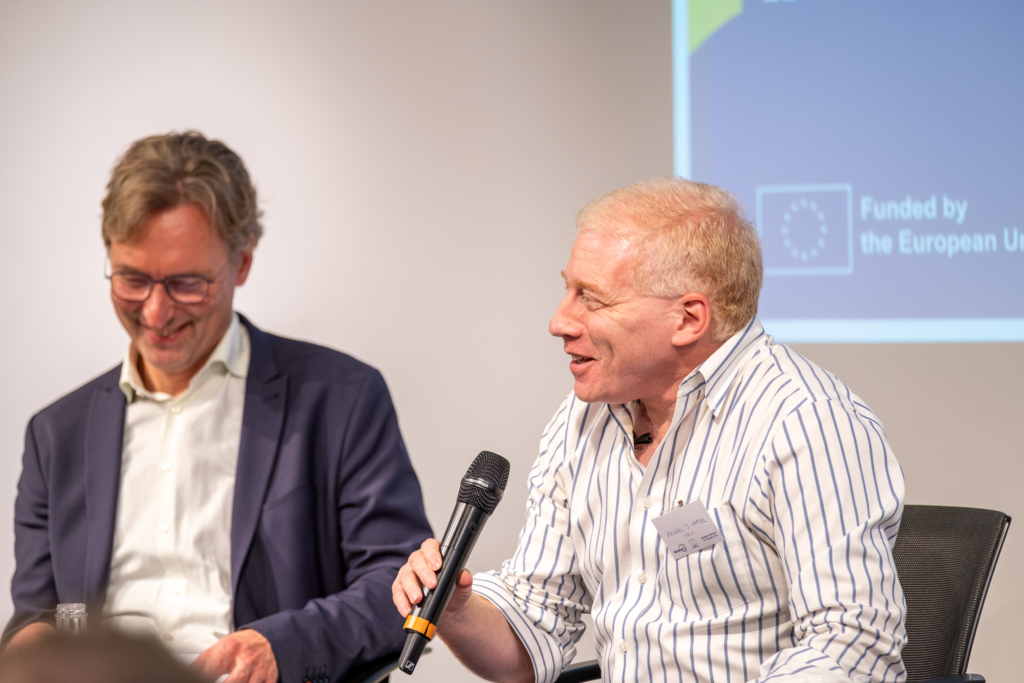
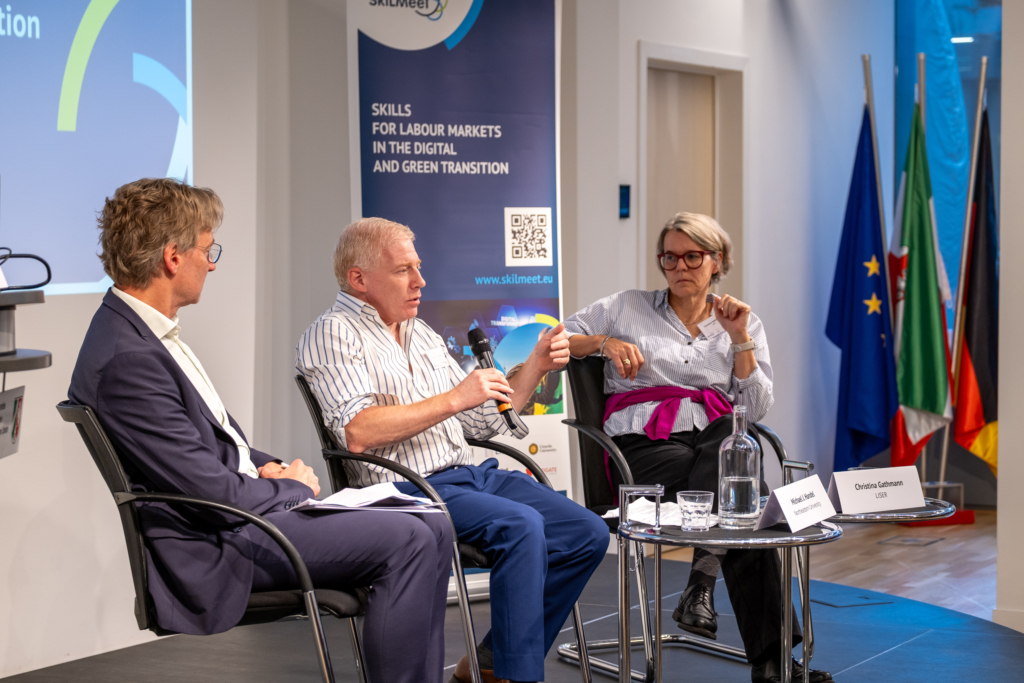
In his policy keynote, “Skills Policies for Fair Transitions and EU Perspective”, Frank Siebern-Thomas (European Commission, DG EMPL) stressed that skills policies are essential to making the green and digital transitions fair and inclusive and securing public support. He called for flexible education and training systems, better EU-level information on changing skill needs and support for lifelong learning, including micro-credentials. He also emphasised that ambitious policies must be implemented and progress monitored. Michael J. Handel (Northeastern University) joined the discussion with a US perspective on AI development and adoption. Their exchange moderated by Christina Gathmann (LISER) highlighted the value of combining strengths of the European and US approaches when designing policies to help workers adapt to technological change.
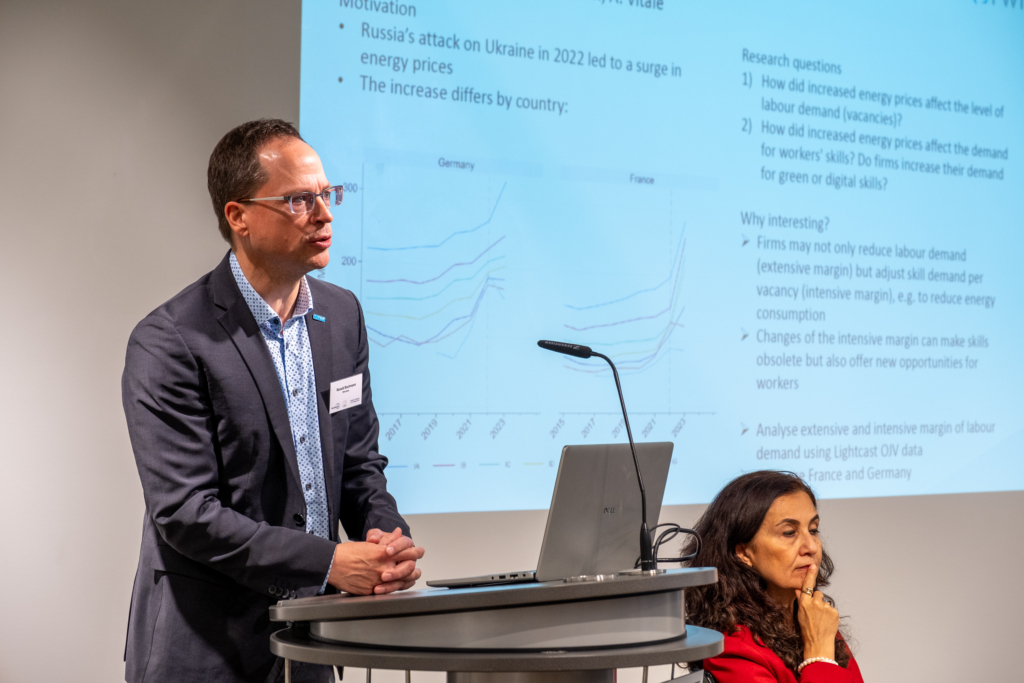
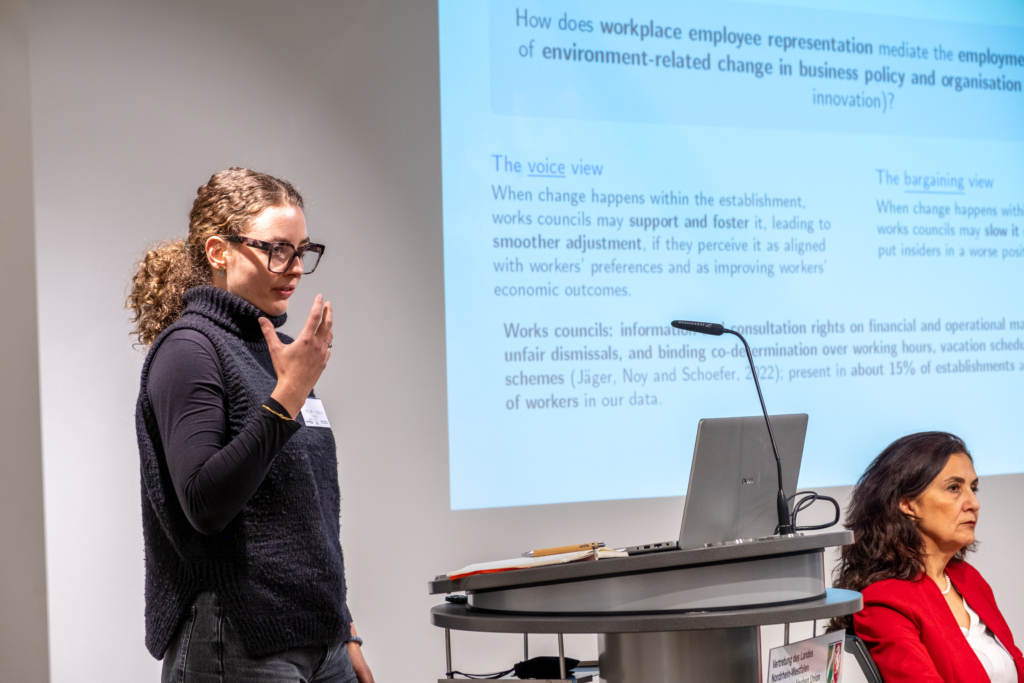
The plenary flash-talk session, chaired by Suhendan Adiguzel van Zoelen (TNO), included five presentations on green innovation, the recognition of green skills, the effects of higher energy prices on firms and workers, skills mismatch among migrant workers in North Macedonia, and worker participation in the green transition. The presenters were Pierrette Lamezan, Sophie Doublet, Ronald Bachmann, Violeta Cvetkoska and Mirjam Fitzthum.
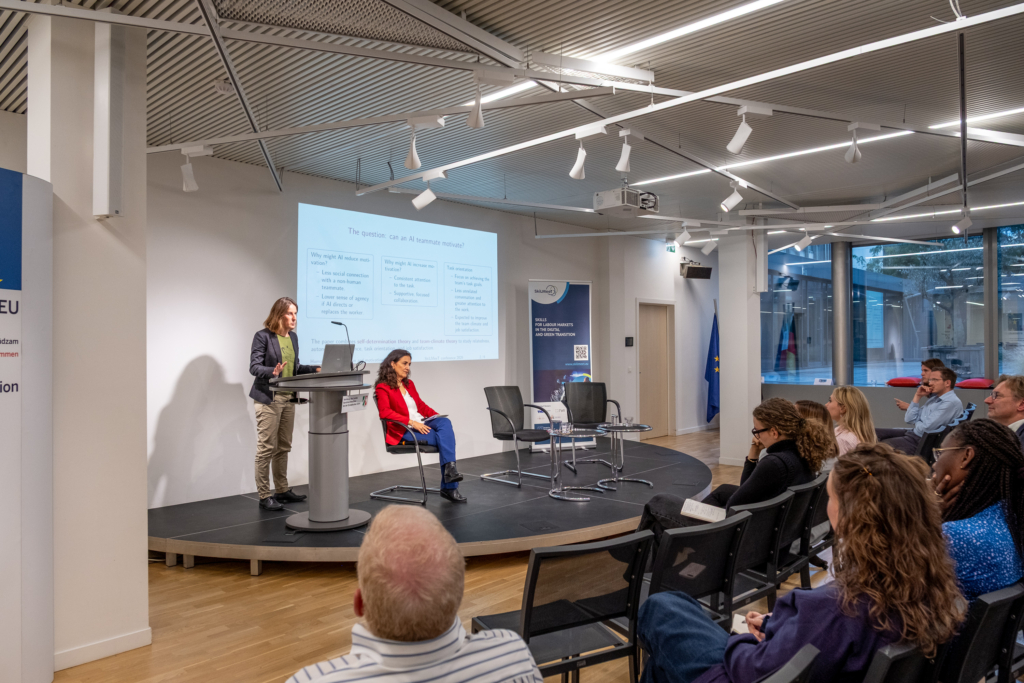
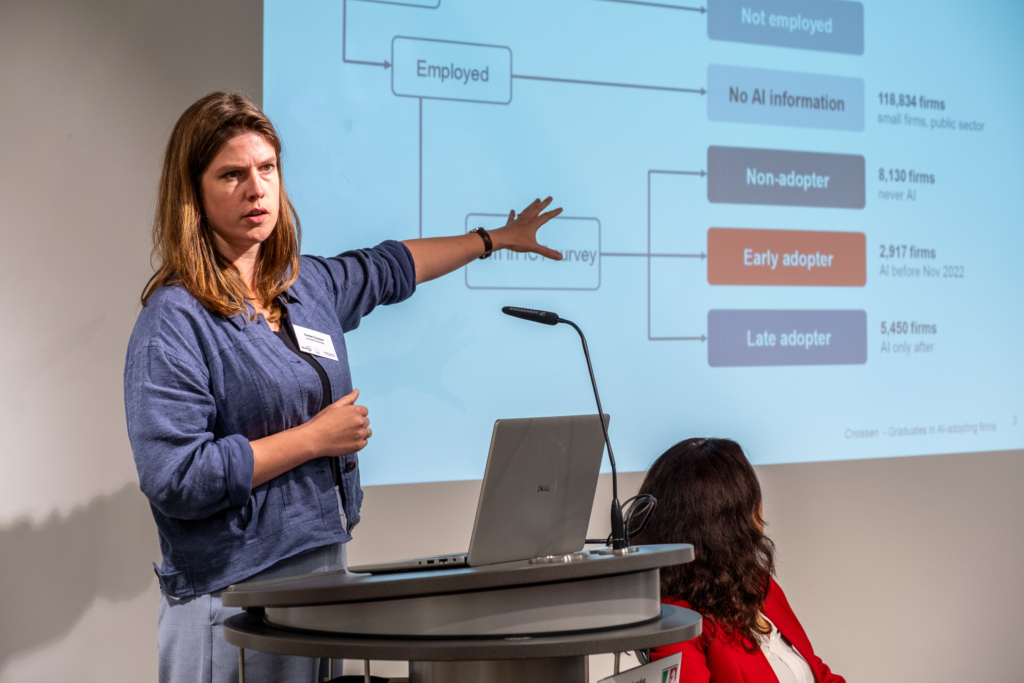
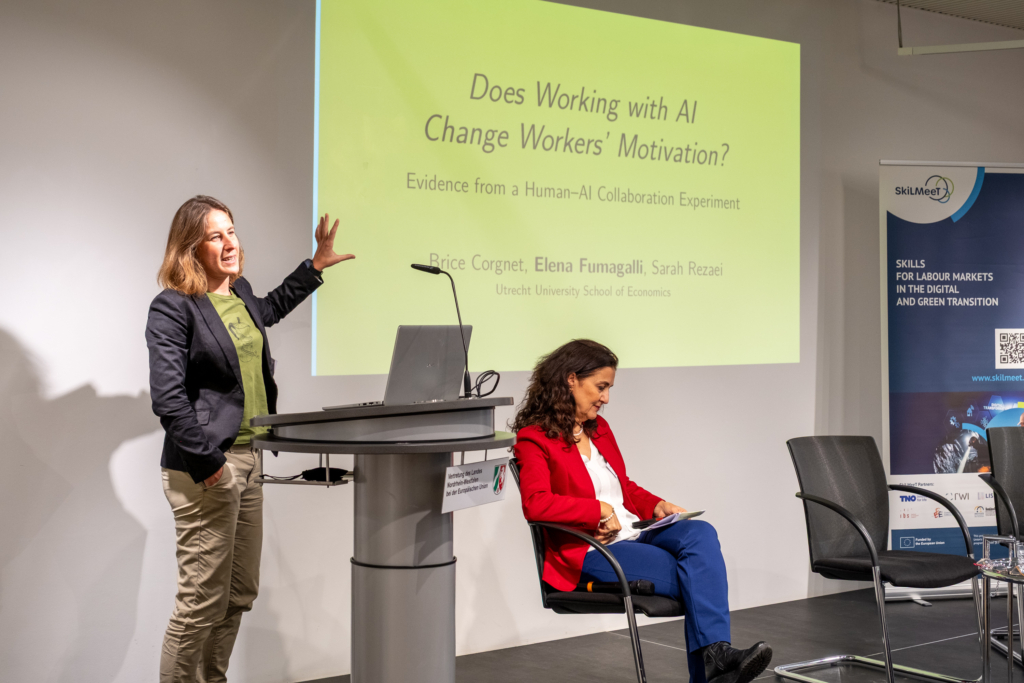
Four further talks focused on AI and technological change, examining which graduates enter AI-adopting firms, how replacing a human colleague with AI affects motivation, changing skill demand in Europe and skills gaps. These contributions came from Femke Cnossen, Elena Fumagalli, Najada Feimi and Ulrich Zierahn-Weilage.
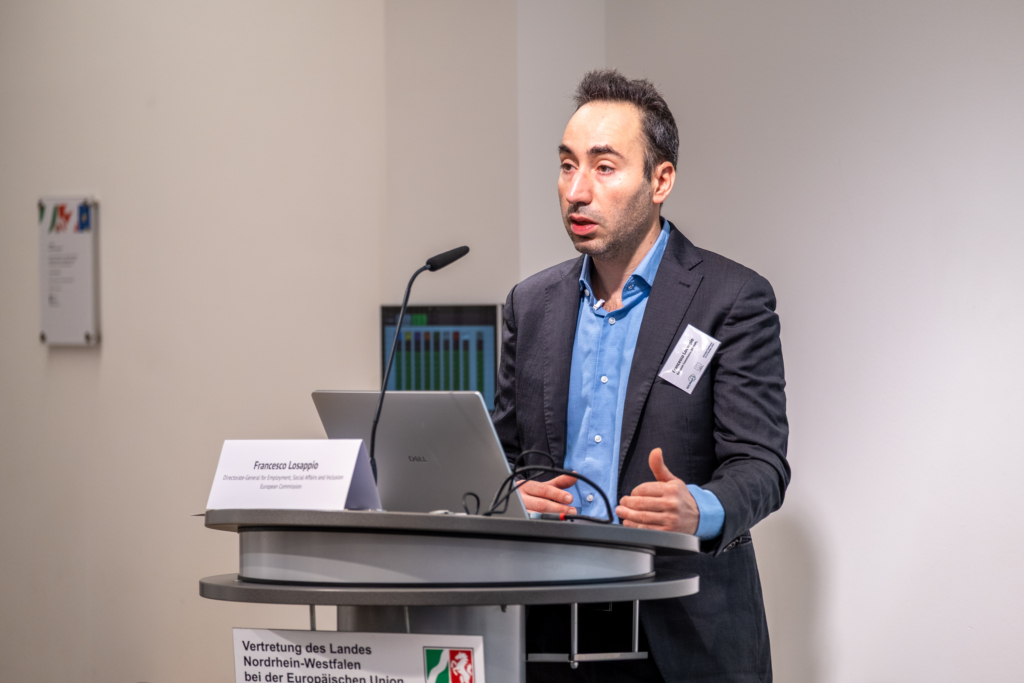
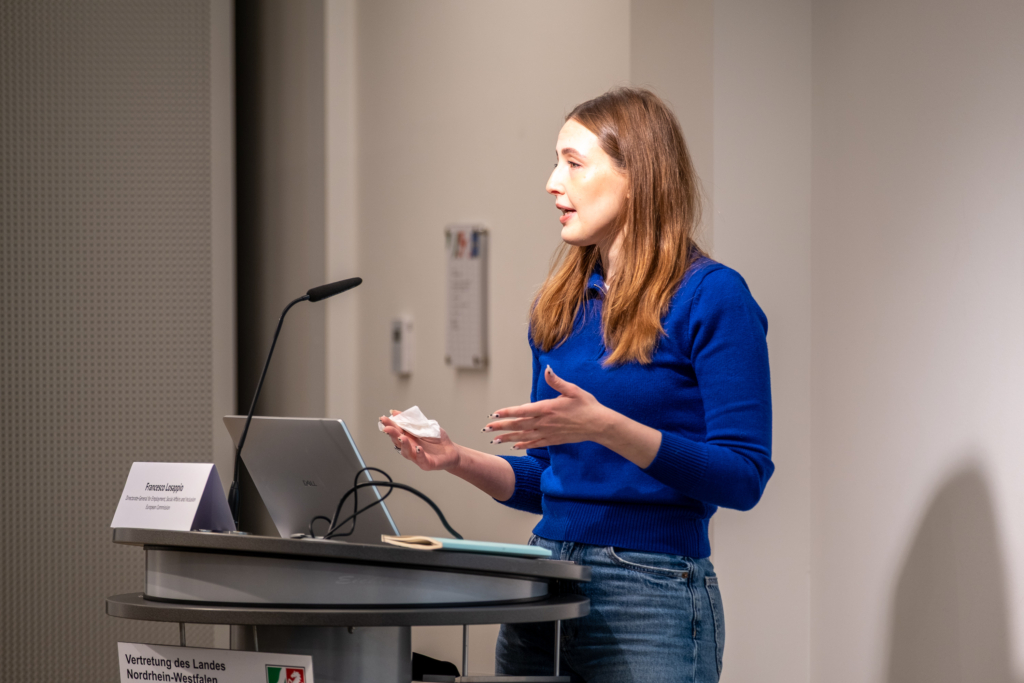
In his keynote, “Defining green skills and green jobs in labour market taxonomies”, Francesco Losappio (European Commission, DG EMPL) presented a methodology for identifying green jobs and skills to better understand the labour market implications of the green transition. His approach uses ESCO, the European classification of occupations and skills, and focuses on the tasks and skills associated with different occupations. The methodology applies machine learning techniques to identify green skills within ESCO, followed by validation by the ESCO team. It then calculates the “green task intensity” of occupations to assess the extent to which they involve green tasks and skills. The results highlighted high shares in areas such as energy assessment, environmental policy and waste management. He explained how consistent definitions of green jobs and skills can improve labour market monitoring and help policymakers identify retraining needs.
Viliana Milanova (University of Groningen) explored how attributing work to AI affects people’s responses in “When AI Does the Work: Does Attribution Shape Meaning and Effort?”, co-authored with Milena Nikolova and Feicheng Wang. In survey experiments with more than 3,600 participants in the US and the Netherlands, participants evaluated identical public-health campaign slogans labelled as created either by AI or by a marketing professional. The AI label sharply reduced trust in the creator’s abilities and led participants to rate the slogans as less creative and persuasive. Across both countries, it modestly reduced how meaningful participants found the evaluation task and made them about 13% less likely to contribute a slogan of their own, with no statistically significant differences between the two countries.
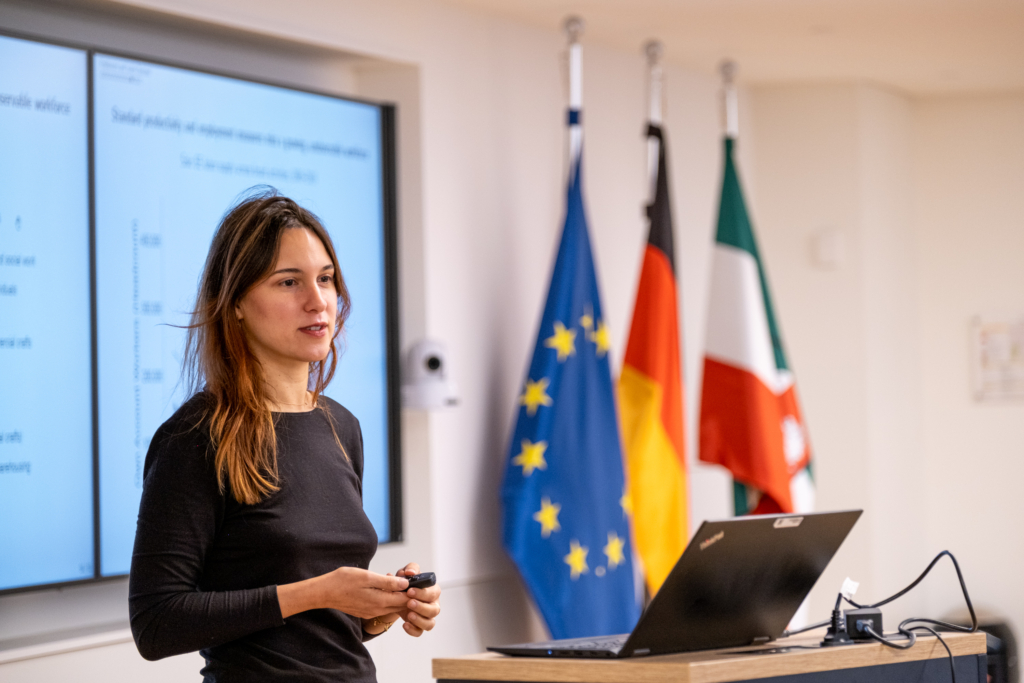
AI exposure is changing the combinations of skills employers seek. In “Skill Demand in the Age of AI: Evidence from Europe”, Christina Gathmann (LISER) presented research done with Najada Feimi, Terry Gregory and David Marguerit analysing 75.6 million job advertisements from four European countries over 2018–2023. In occupations more exposed to AI, employers increasingly sought AI, data and prediction skills, while mentioning social skills less frequently in job advertisements. At the same time, although social skills appeared less frequently overall, employers increasingly sought candidates who could combine AI-related technical skills with social and decision-making skills. More AI-exposed occupations also recorded an increase in job postings, suggesting that AI is reshaping the content of jobs rather than reducing demand for workers in these occupations.
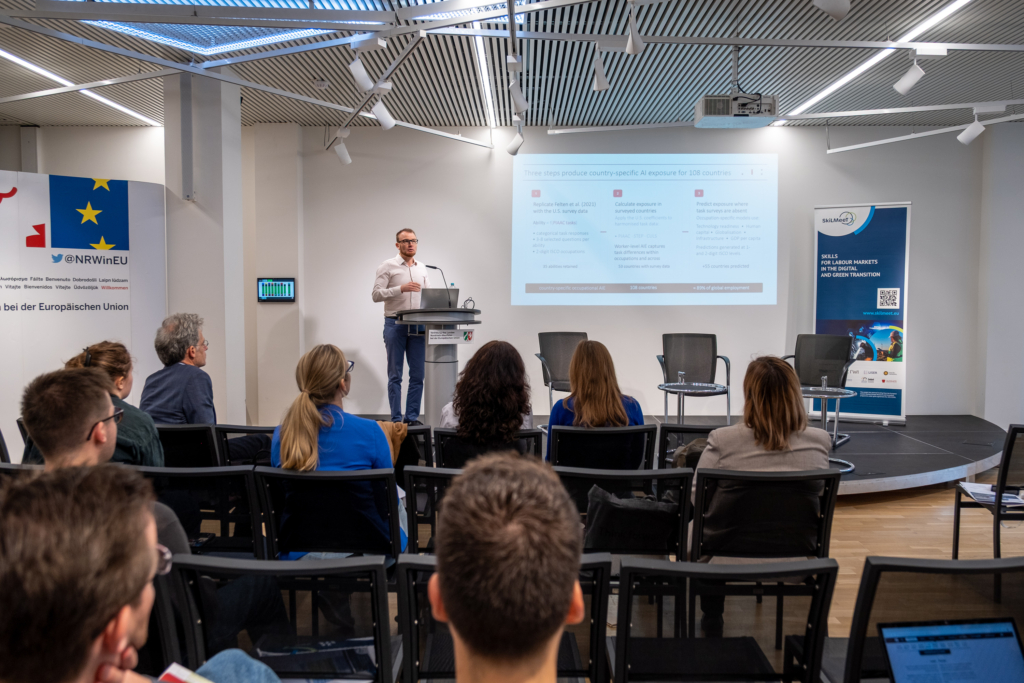
Piotr Lewandowski (Institute for Structural Research, IBS) presented “Workers’ Exposure to AI Across Development Stages”, a study conducted with Karol Madoń and Albert Park. The authors measured workers’ exposure to AI across 108 countries, covering approximately 89% of global employment, while accounting for differences in the tasks they perform. Their findings showed that workers in the same occupation can have different levels of AI exposure across countries because their tasks differ depending on technology use, skills and how work is organised. These differences were particularly pronounced in high-skilled occupations. Accounting for differences in workers’ tasks revealed that the gap in AI exposure between high- and low-income economies is larger than conventional occupation-based measures suggest. The intensity of information and communication technology (ICT) use emerged as the strongest factor explaining differences in AI exposure across countries, ahead of education and occupational structure. Overall, workers most exposed to AI were concentrated in high-income economies, while those least exposed were predominantly in low- and middle-income countries.
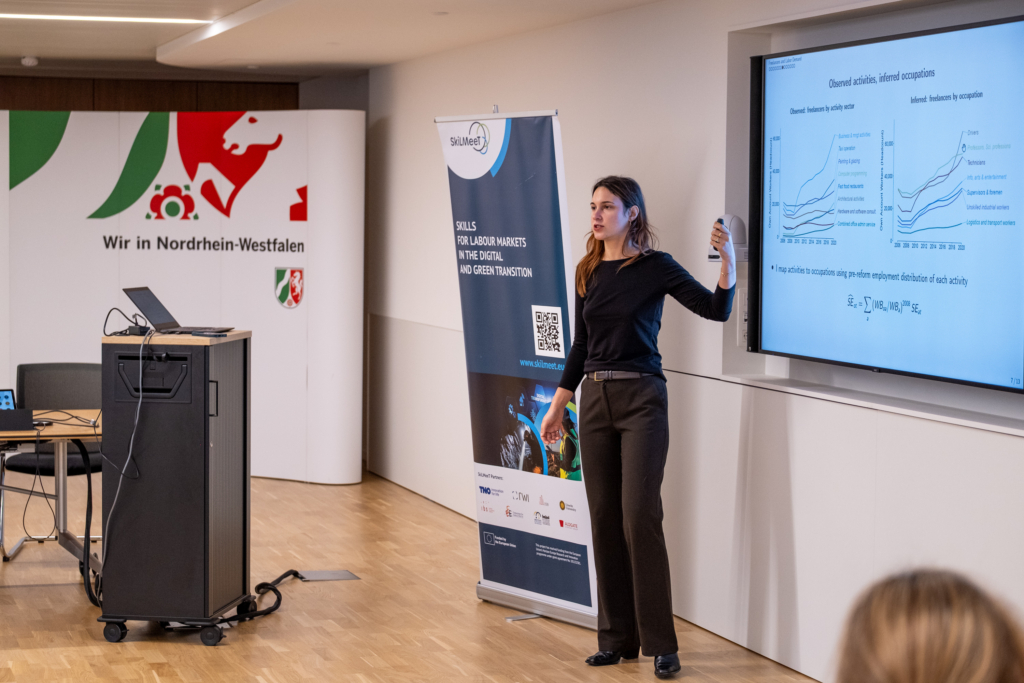
Enrichetta Giurickovic (Farhi Innovation Lab, Collège de France) presented “Freelancers and Labor Demand”, a study examining how easier access to freelancers affects firms’ hiring decisions. Using French administrative data following a 2009 reform that made self-employment easier, the research found that firms with greater access to freelancers purchased more external services, reduced salaried employment and increased value added and profits. Employment reductions also affected permanent positions and were concentrated in middle- and lower-skilled white-collar occupations, while highly skilled jobs were largely retained. Overall, the findings suggest that easier access to freelancers can lead firms to replace salaried employment with external services, raising questions about labour market segmentation and the measurement of employment.
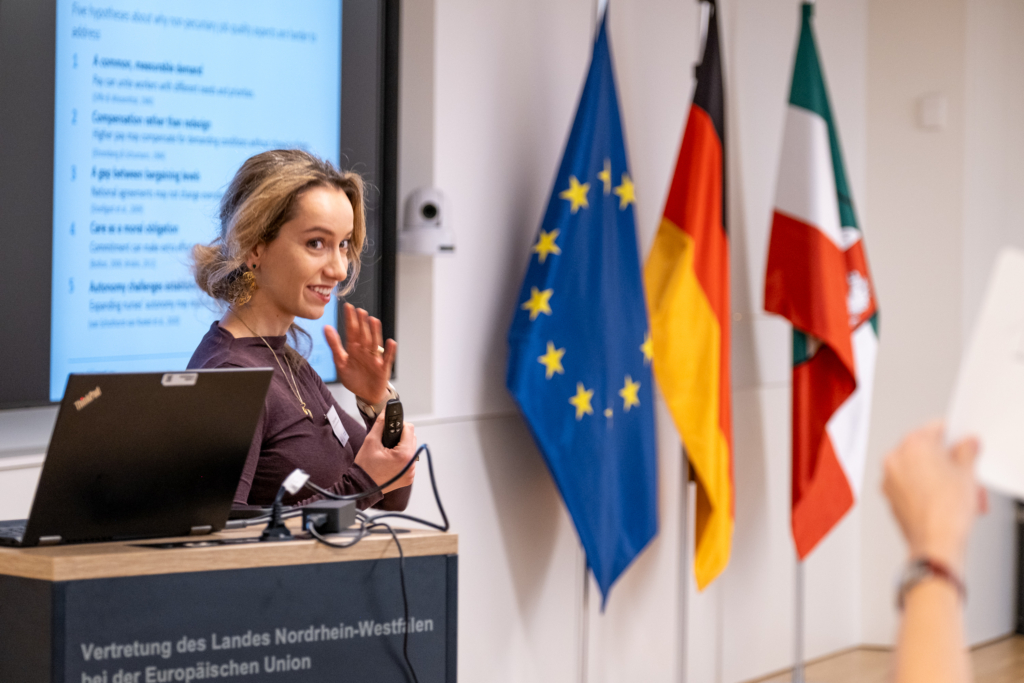
Zuzanna Kowalik (IBS) presented “Divergent Responses, Convergent Outcomes: Job Quality and the Nursing Shortage in Poland and Bulgaria”, a SkiLMeeT study conducted with Aleksandra Prusak, Mina K. Kostova and Vassil Kirow. Based on interviews with nurses, the research examined how different approaches to pay-setting relate to working conditions in the two countries. In Poland, strong union mobilisation secured a lasting pay-setting mechanism, while in Bulgaria, union representation and pay-setting arrangements remain fragmented. Despite these differences, nurses in both countries reported similar challenges, including long working hours, multiple jobs, heavy emotional demands and limited professional autonomy. These conditions can make it harder for nurses to remain in the profession, potentially reinforcing staff shortages. The authors concluded that improving pay addresses only part of the problem and that tackling shortages also requires attention to staffing, work organisation and nurses’ autonomy.
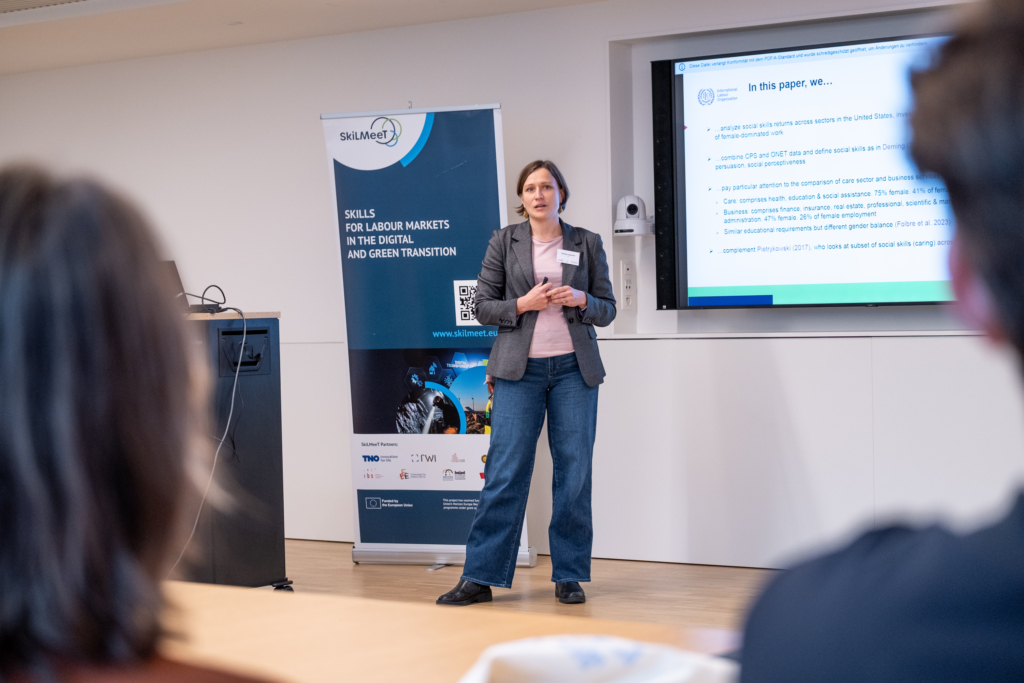
Social skills were associated with a significant wage premium in US business services, but no statistically significant premium in care services. Hannah Liepmann (ILO) presented this finding in “Revisiting the Valuation of Social Skills: The Case of Care Work”, a study conducted with Ariane Hegewisch (IWPR). Using US employment data from 2015–2024 linked to occupational skill requirements, the authors found that this difference persisted across worker groups and after accounting for education and other skill requirements. The findings suggest that social skills are undervalued in predominantly female care work and that growing demand for these skills alone is unlikely to close the gender pay gap without better recognition and remuneration of care workers’ skills.
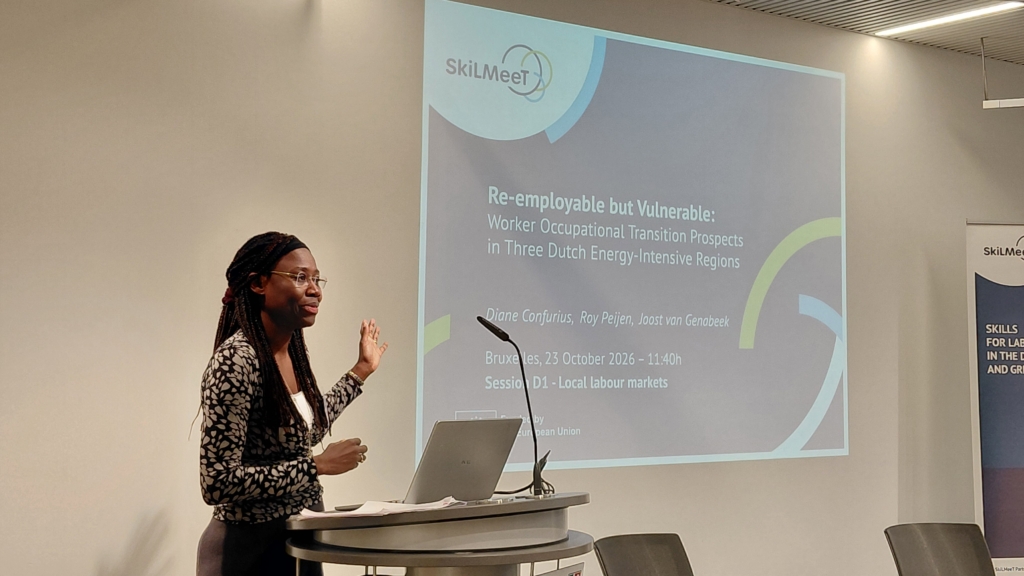
Diane Confurius (TNO) simulated what would happen to workers if major industrial employers in three Dutch regions closed overnight in “Re-employable but Vulnerable: Worker Occupational Transition Prospects in Three Dutch Energy-Intensive Regions”, co-authored with Roy Peijen and Joost van Genabeek. Matching the skills of technical workers at a steel plant, a fertiliser plant and an oil refinery with regional vacancies, the authors found that re-employment prospects depended strongly on how much skill overlap a new job required: under the strictest assumption, only 30–40% of steel and refinery workers would be re-employed, compared with about two-thirds at the smaller fertiliser plant. The main bottleneck was not a lack of skills but their occupation-specific nature, with some specialised roles, such as rotating equipment mechanics and refinery control room operators, finding almost no matching vacancies. The authors recommend targeted bridging training that builds on workers’ existing skills and starts before restructuring or closure.
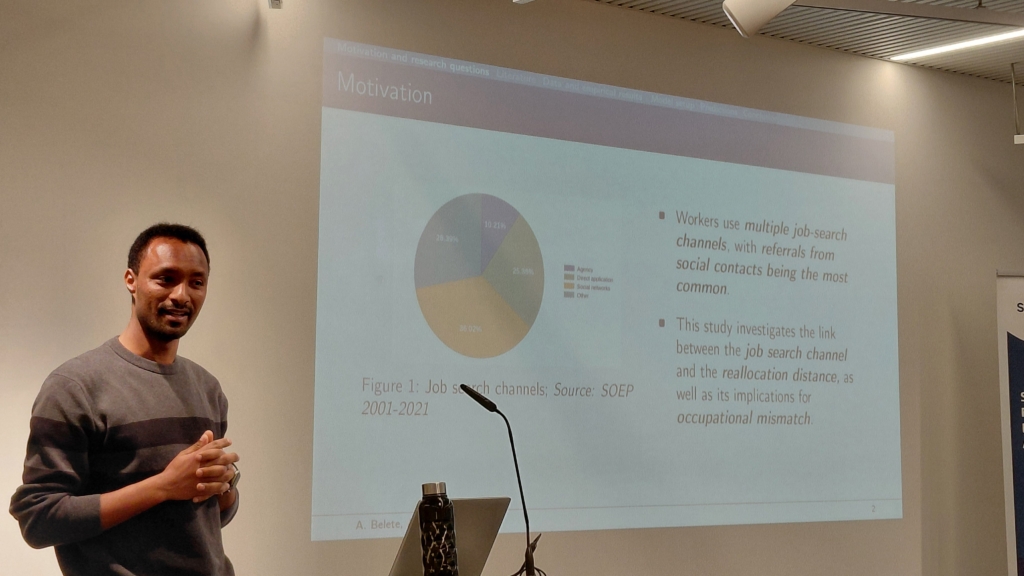
Asimamaw Belete (Bielefeld University) examined the relationship between personal contacts, geographical mobility and occupational matching in “The Geography of Job Search, Social Networks and Match Quality”, co-authored with Anna Zaharieva. Using German survey data for 2001–2021, the authors found that jobs obtained through personal contacts were associated with shorter relocation distances and a greater likelihood of working outside one’s trained occupation than jobs found through direct applications. Their model suggests that contacts mainly provide information about nearby vacancies, encouraging workers to accept jobs less suited to their training to avoid moving costs. Longer moves were associated with better occupational matches, suggesting that geographical mobility can help workers find jobs that make better use of their skills.
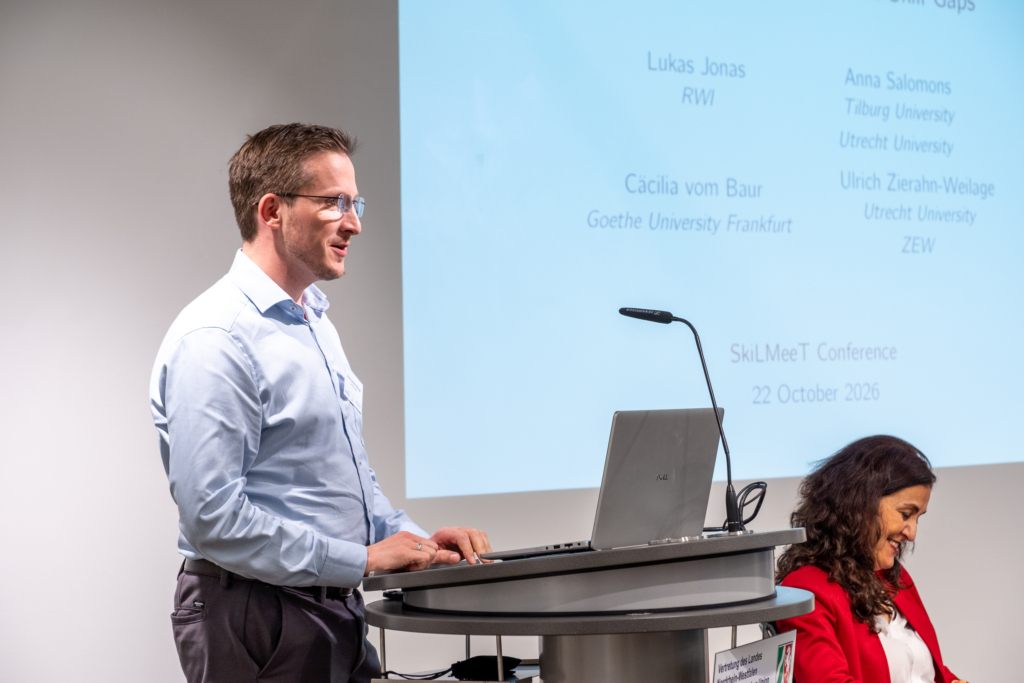
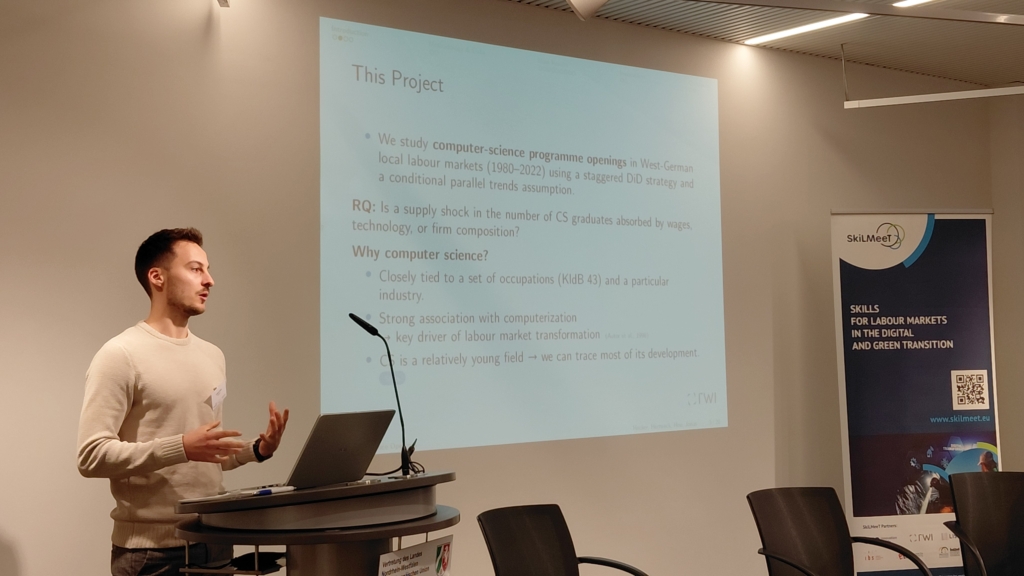
In “Specialised Human Capital Supply and Sectoral Expansion”, Lukas Jonas (RWI) and co-authors Britta Hecker, Friederike Hertweck and Shihang Hou studied the introduction of computer science programmes in western Germany between 1980 and 2022. They found that these openings increased local employment in computer science occupations without lowering wages. Employment growth was concentrated in the information and communication technology sector, where new firms helped absorb the additional skilled workers. With little evidence of wider technology adoption or innovation, the findings suggest that expanding specialised digital education can strengthen local technology industries without necessarily driving technological change across the wider economy.
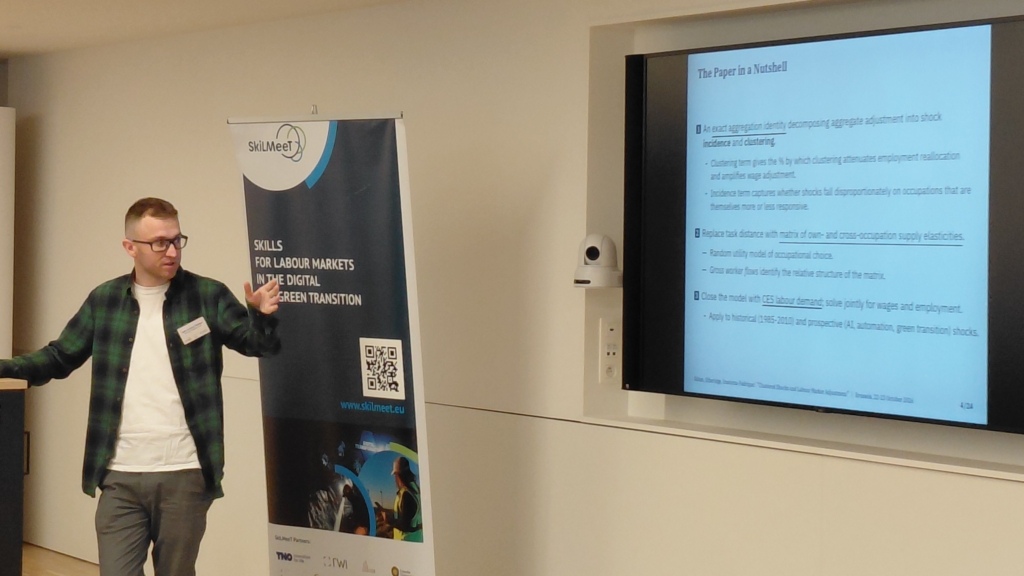
Aitor Irastorza-Fadrique (University of the Basque Country) examined how workers’ ability to switch occupations shapes labour market adjustment in “Clustered Shocks and Labour Market Adjustment”, co-authored with Michael J. Böhm and Ben Etheridge. Using German employment records, the authors found that occupations between which workers can easily move often face similar demand shocks, limiting opportunities to find alternative jobs. This clustering reduces employment reallocation and amplifies wage adjustments, contributing to greater wage inequality between occupations. The analysis also suggested that AI-related shocks are similarly clustered, while those associated with the green transition are more dispersed. The findings highlight the importance of alternative employment opportunities in helping workers adjust to technological change.
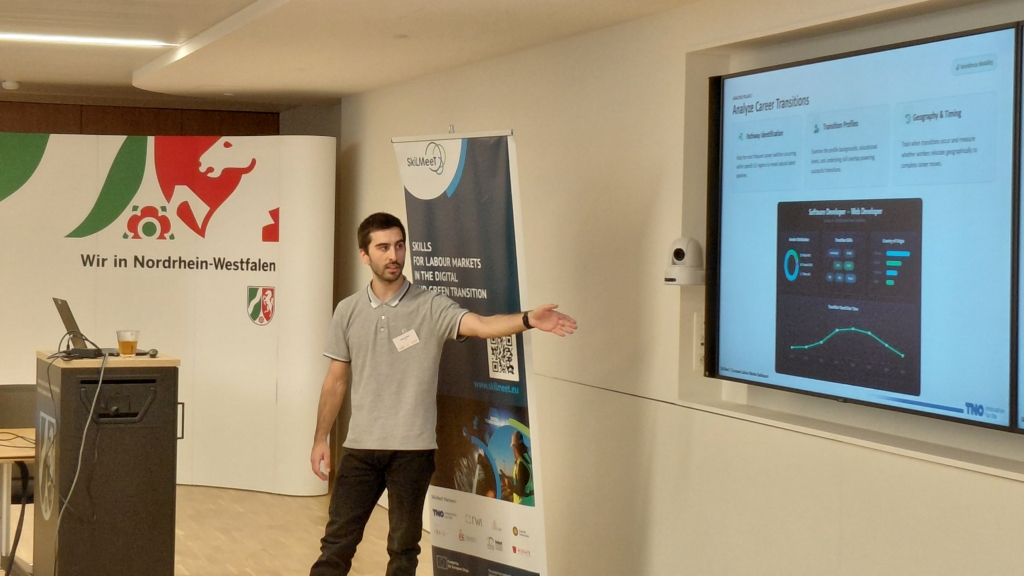
Xavier Pinho (TNO) presented the “European Labour Market Dashboard”, an AI-supported tool for analysing workforce skills, career transitions and regional labour market patterns across six EU countries. Drawing on more than 26 million anonymised LinkedIn profiles, the dashboard uses AI to map job titles and self-reported skills to ESCO, the European classification of occupations and skills. This allows users to compare occupations across countries, examine career transitions and identify regional concentrations of jobs and skills. Pinho highlighted limitations of the data, including the underrepresentation of lower-skilled workers and potentially incomplete or outdated profiles. Future development will incorporate online job vacancy data to compare workers’ skills with employers’ requirements and identify skills gaps.
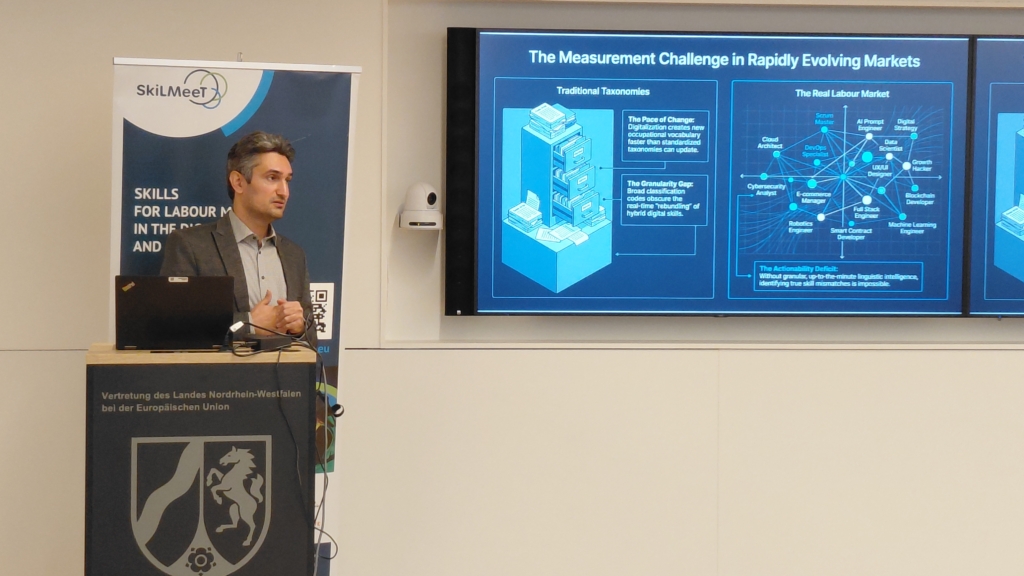
Sadegh Shahmohammadi (TNO) presented research conducted with Xavier Pinho, Mairi Bowdler, Suhendan Adiguzel-van Zoelen and Joost van Genabeek on how digital skills are changing across occupations. The study introduced the Digital Semantic Score, an AI-based measure of digital skill requirements, to identify different patterns of digitalisation across jobs. The analysis showed that digital skills are increasingly relevant beyond technical occupations, including in roles that combine digital knowledge with business expertise. The approach could help identify emerging skill needs and inform training policies.